

Border Security Challenges and Operational Efficiency for Young Adults (15-24)
In recent months, border security has become a pressing global issue, especially as countries like Portugal face scrutiny over operational efficiency at major international gateways. With travelers enduring wait times of up to seven hours at Lisbon's Humberto Delgado Airport, the spotlight is on how nations manage immigration and border security. For parents of teens and young adults aged 15-24, understanding border security isn't just about travel, it's about safety, compliance, and preparing the next generation for global citizenship. This article explains what border security truly means, who controls it, and how operational efficiency impacts real-world experiences. You'll also discover how early talent assessment in youth can contribute to future careers in security, technology, and public service.
We'll explore real incidents like Portugal's recent border control failures, break down key concepts like operational efficiency, and connect these issues to broader societal needs, including youth development and AI talent assessment for kids. By the end, you'll have a clearer picture of how border systems work, why they matter, and how your child might one day play a role in shaping smarter, more efficient solutions.
What Is the Meaning of Border Security?
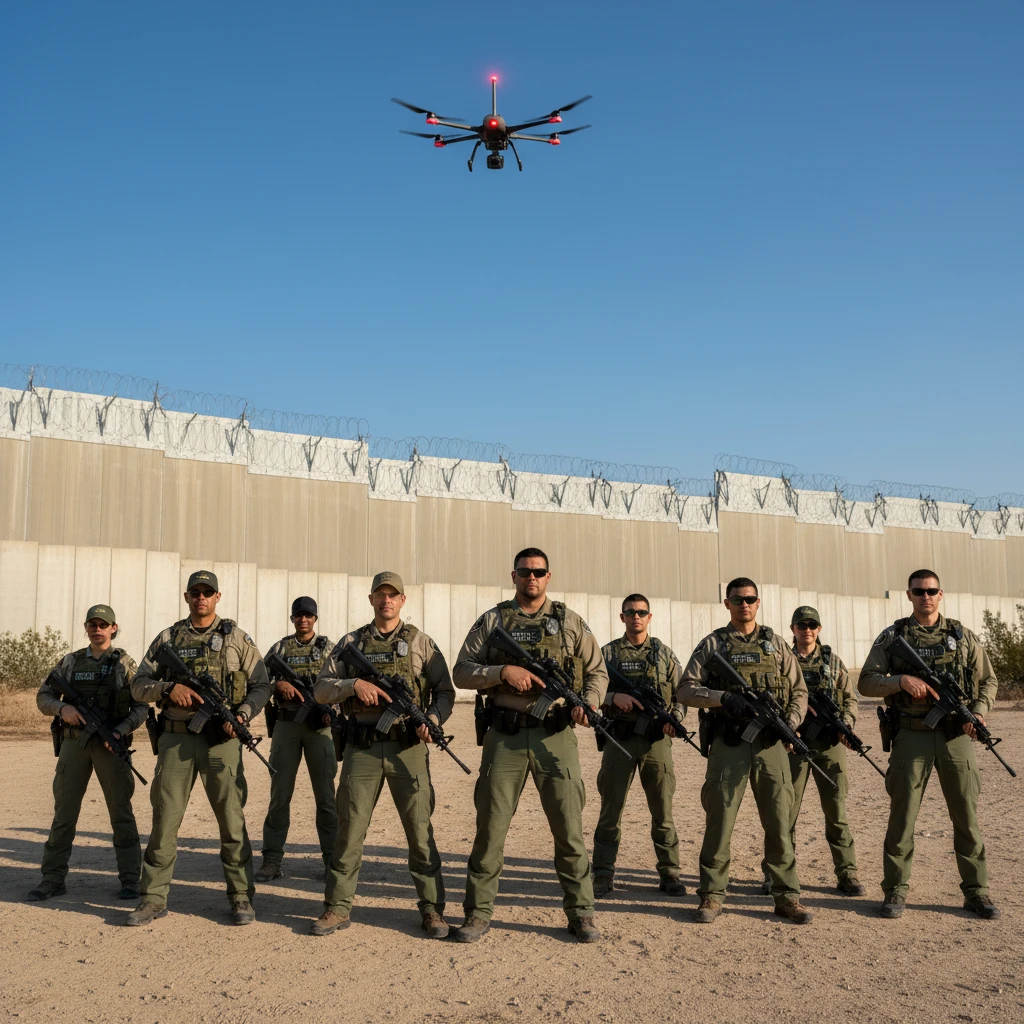
Border security refers to the measures governments take to monitor, control, and protect their national borders from unauthorized entry, smuggling, trafficking, and other threats. It includes physical infrastructure like checkpoints and surveillance systems, as well as legal frameworks governing immigration and customs. Effective border security ensures that only those who meet legal requirements can enter or exit a country, while also facilitating smooth passage for legitimate travelers.
This means that border security isn't just about stopping illegal activity, it's about balancing safety with accessibility. For instance, when European Commission inspectors found "serious deficiencies" in Portugal's airport controls, they highlighted the absence of exit checks and inconsistent screening procedures. These gaps compromise national and regional security, especially within the Schengen Area where internal borders are open. Research indicates that countries with high operational efficiency in border management see up to 40% faster processing times and lower rates of irregular migration.
Who Controls Border Security?
Border security is typically managed by national government agencies, often under interior or homeland security departments. In the European Union, each member state maintains its own border forces, like Portugal's National Republican Guard, but must comply with EU-wide standards set by Frontex, the European Border and Coast Guard Agency. In Australia, border operations are handled by the Australian Border Force, while the U.S. relies on Customs and Border Protection (CBP).
This means that while local authorities conduct day-to-day operations, international cooperation plays a crucial role. When deficiencies are found, as in Lisbon, EU bodies can demand corrective actions. For young adults considering careers in public service, this layered structure offers diverse pathways: law enforcement, data analysis, policy development, or technology integration. Parents often ask how their children can prepare for such roles early. One emerging solution is k-12 talent analysis, which helps identify strengths in critical thinking, language skills, and technological aptitude, key traits for future border security professionals.
What Does Operational Efficiency Mean in Border Security?
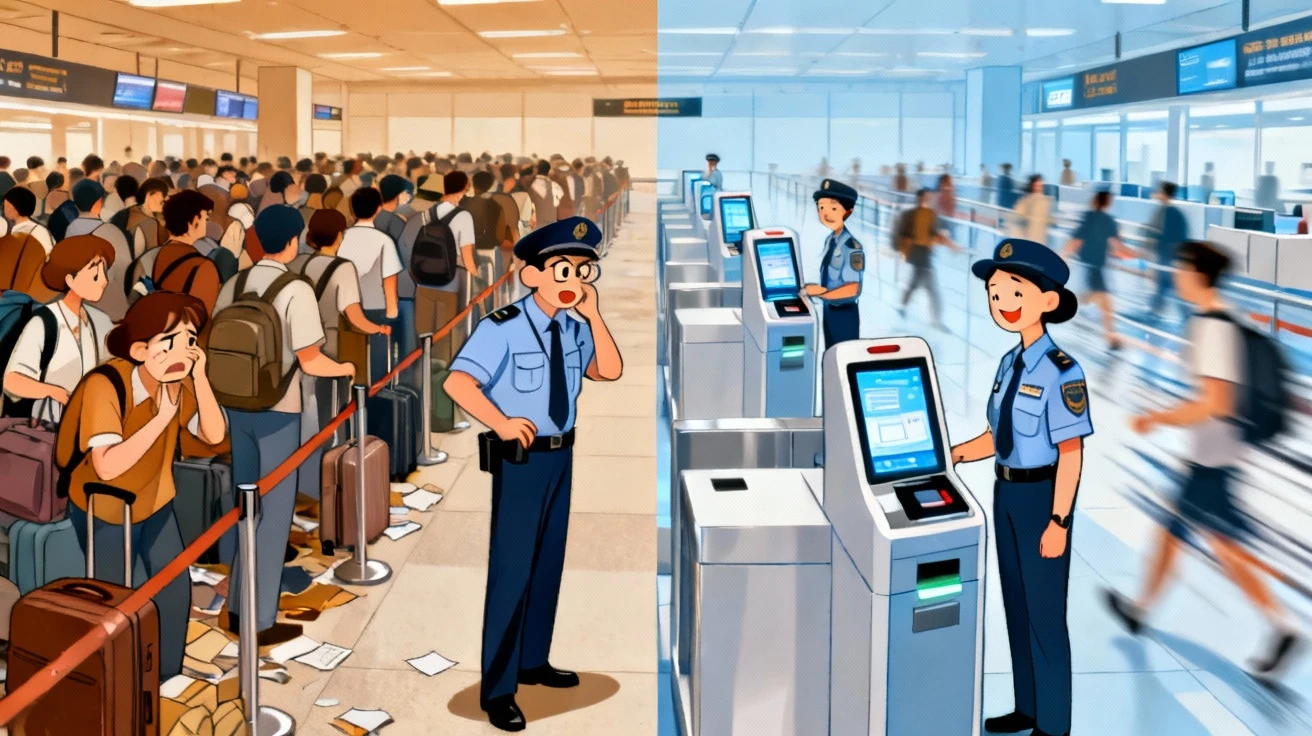
Operational efficiency refers to how effectively an organization uses its resources, personnel, technology, time, to achieve its goals. In border security, this means processing travelers quickly and accurately without compromising safety. The three factors of operational efficiency are time, cost, and quality. When any one of these fails, the entire system suffers.
For instance, Portugal's seven-hour wait times reflect a breakdown in time efficiency, likely due to understaffing and outdated procedures. Quality was also compromised, as inspectors bypassed required checks. Research indicates that airports using AI-powered facial recognition and automated passport control reduce average wait times by 60%. These technologies are part of a broader shift toward smart borders, digital systems that enhance both security and user experience.
For teens and young adults, understanding operational efficiency opens doors to innovation. Imagine a student skilled in coding or systems design developing an AI talent assessment tool that predicts staffing needs during peak travel seasons. This is where children ability testing comes in, not to label, but to guide and grow potential.
Are They Still Filming Border Security? Why Was It Cancelled?
Many parents and young viewers wonder: "Are they still filming Border Security?" referring to popular reality TV shows like Border Security: Australia's Front Line. While new episodes continue to air in some regions, production has paused or restructured in others due to privacy concerns and operational sensitivities. Some governments restrict filming at checkpoints to protect investigative techniques and traveler confidentiality.
This doesn't mean public interest has faded. In fact, shows like the Border Security series on the Gold Coast have sparked curiosity among youth about careers in law enforcement and immigration services. These programs highlight real challenges, drug seizures, document fraud, human trafficking, and show how officers apply judgment under pressure. For educators and parents, this presents a teachable moment: using media to discuss ethics, civic duty, and career exploration.
How Can Youth Contribute to Future Border Security?

The future of border security lies not just in stronger walls, but in smarter systems, and that starts with developing talent early. Programs that offer k-12 talent analysis help identify students with strengths in pattern recognition, multilingual communication, and problem-solving. These abilities are essential for roles in cybersecurity, intelligence analysis, and automated border control systems.
Consider the case of a 17-year-old who participates in a school-based AI talent assessment for kids and discovers a knack for machine learning. With guidance, they could pursue internships in government tech labs, contributing to predictive analytics models that forecast border traffic surges. This means that investing in children ability testing today builds a pipeline of skilled professionals tomorrow.
Frequently Asked Questions
Conclusion
Border security is more than checkpoints and cameras, it's a dynamic field shaped by policy, technology, and human talent. From Portugal's recent challenges to global efforts in immigration and border security, operational efficiency remains a critical goal. For parents of youth aged 15-24, this presents an opportunity: to guide children toward careers where their unique abilities can make a difference. Through early tools like AI talent assessment for kids and structured ability testing, we can nurture the next generation of innovators in security and public service. Explore how your child's strengths can contribute to safer, smarter borders, start with a personalized assessment today.