


AI Content Generation: The 2026 SEO Strategy for Modern SaaS Teams
In today's hyper-competitive digital landscape, SaaS marketing teams face mounting pressure to produce high-quality content at scale, while simultaneously improving SEO performance and customer insight acquisition. Traditional content workflows are no longer sustainable. The solution? A comprehensive AI content generation strategy that integrates automation, multi-model intelligence, and data-driven SEO execution. This article explores how forward-thinking agencies and SaaS platforms are leveraging AI content creation tools to build scalable, compliant, and high-performing content operations. You'll learn how to implement a future-ready SEO automation workflow that combines Reddit intent analysis, Wikipedia backlink scouting, generative engine optimization, and AI-powered competitive analysis. We'll break down the technical components, legal considerations, and efficiency gains that define the next generation of content marketing, complete with real-world examples and a step-by-step playbook for 2026.
By the end of this guide, you'll understand how to leverage AI not just for content drafting, but for full-cycle SEO strategy and execution, from audience insight discovery to authority link acquisition and performance optimization.
What Is AI Content Generation and How Does It Work?

AI content generation refers to the use of artificial intelligence models to create written, visual, or multimedia content with minimal human input. These systems are trained on vast datasets of text and learn patterns in language, tone, and structure, enabling them to produce coherent, contextually relevant content across formats. For SaaS teams, this technology is transforming how blogs, product descriptions, social media posts, and even technical documentation are created.
For instance, a marketing team launching a new feature can use AI to generate multiple content variations, blog posts, email sequences, and landing page copy, within minutes. The AI analyzes existing brand voice and SEO keywords to ensure alignment. This means that content generation efficiency increases dramatically, allowing teams to focus on strategy rather than manual drafting.
Research indicates that organizations using AI for content creation report up to a 50% reduction in time spent on content production. However, the real power lies not in speed alone, but in integration. When AI is combined with customer insight acquisition from platforms like Reddit, it enables hyper-targeted messaging based on actual user intent and sentiment.
This approach moves beyond simple automation. It's about building a responsive content ecosystem that adapts to market signals in real time.
The 30% Rule in AI: Balancing Automation and Human Oversight
One of the most misunderstood concepts in AI content creation is the "30% rule." This guideline suggests that for optimal quality and authenticity, at least 30% of AI-generated content should be revised, fact-checked, or enhanced by a human editor. It's not a legal requirement, but a best practice rooted in content credibility and SEO performance.
Why 30%? Because search engines like Google increasingly prioritize E-E-A-T (Experience, Expertise, Authoritativeness, Trustworthiness). Fully automated content often lacks the nuance, personal insight, or real-world validation that human editors bring. For example, an AI might generate a technically accurate blog post about "best CRM integrations," but only a human can add a case study from actual user experience or highlight subtle workflow challenges.
Consider the case of a SaaS company using AI to draft product comparison guides. The AI pulls data from public sources and structures the content logically. But the human editor adds real customer quotes, performance benchmarks from internal testing, and warnings about integration limitations, elements that significantly boost credibility.
This means that the most successful AI content creation free or paid tools are not replacements for human expertise, but force multipliers. The 30% rule ensures that content maintains authenticity while benefiting from automation at scale.
How to Make AI-Generated Content That Ranks in 2026

Creating AI-generated content that ranks requires more than just pressing a "generate" button. It demands a structured workflow that aligns with SEO strategy and execution principles. Here's a proven six-step process used by top SaaS marketing teams:
- Intent Analysis via Reddit and Social Listening: Use AI to scrape and analyze discussions on Reddit, niche forums, and social media to identify real user pain points. For example, a team building a project management tool might discover recurring complaints about "time tracking fatigue" in r/projectmanagement.
- Keyword and Topic Clustering: Feed these insights into an AI content creation tool that clusters topics by search intent and competition level. This helps prioritize high-opportunity content.
- Multi-Model AI Drafting: Leverage multiple AI providers (e.g., GPT, Claude, Gemini) to generate diverse content versions. This reduces bias and improves quality through consensus.
- Generative Engine Optimization (GEO): Optimize content not just for search engines, but for how AI models interpret and summarize information. This includes structured data, clear headings, and semantic clarity.
- AI Fallback Systems: Implement backup models that activate if the primary AI fails or produces low-quality output, ensuring consistent performance.
- Human Editing and Compliance Review: Apply the 30% rule and verify accuracy, tone, and legal compliance.
Can You Legally Publish a Book Written by AI?
Yes, you can legally publish a book written by AI, but with important caveats. The U.S. Copyright Office has clarified that AI-generated content cannot be copyrighted unless it includes substantial human authorship. This means that while you can publish and monetize an AI-written book, you cannot claim exclusive copyright over purely machine-generated text.
For SaaS teams, this has implications beyond books. Any AI-generated content used in marketing, whitepapers, case studies, or eBooks, must include meaningful human input to be protected under intellectual property laws. For example, an AI might draft a 50-page guide on "AI in Marketing Automation," but a human must restructure, edit, and add original insights to qualify for copyright.
This also affects content repurposing. If an agency uses AI to generate client content, ownership must be clearly defined in contracts. The safest approach is to treat AI as a collaborative tool, not an autonomous author.
From a brand perspective, transparency matters. Readers increasingly value authenticity. Disclosing AI assistance, when appropriate, can build trust, especially in technical or educational content.
Automation in SEO: From Manual Tasks to Intelligent Workflows

Automation in SEO refers to the use of technology to streamline repetitive, data-heavy tasks such as keyword research, content optimization, and backlink analysis. But in 2026, automation goes beyond simple task replacement, it enables intelligent, adaptive SEO strategy and execution.
For example, modern SaaS platforms use AI to perform continuous competitive analysis, automatically identifying content gaps in rival websites and suggesting topics with high traffic potential. These systems monitor SERP fluctuations in real time and adjust content strategies accordingly.
One practical application is Wikipedia backlink scouting. AI tools can scan Wikipedia pages in relevant niches, identify missing citations, and recommend opportunities to add authoritative links to original research or product documentation. For instance, a cybersecurity SaaS company might discover that a Wikipedia article on "zero-trust architecture" lacks citations for modern endpoint protection tools, creating a perfect opportunity to contribute a citation with a backlink to their technical whitepaper.
Similarly, AI-powered customer sentiment analysis tools scan Reddit and review sites to detect shifts in brand perception. If users begin complaining about a competitor's poor support, an automated alert can trigger a targeted content campaign highlighting your superior customer service.
This means that SEO is no longer a periodic campaign, but a continuous, data-driven process powered by AI and automation.
Building a 2026-Ready AI Content Workflow for SaaS and Agencies
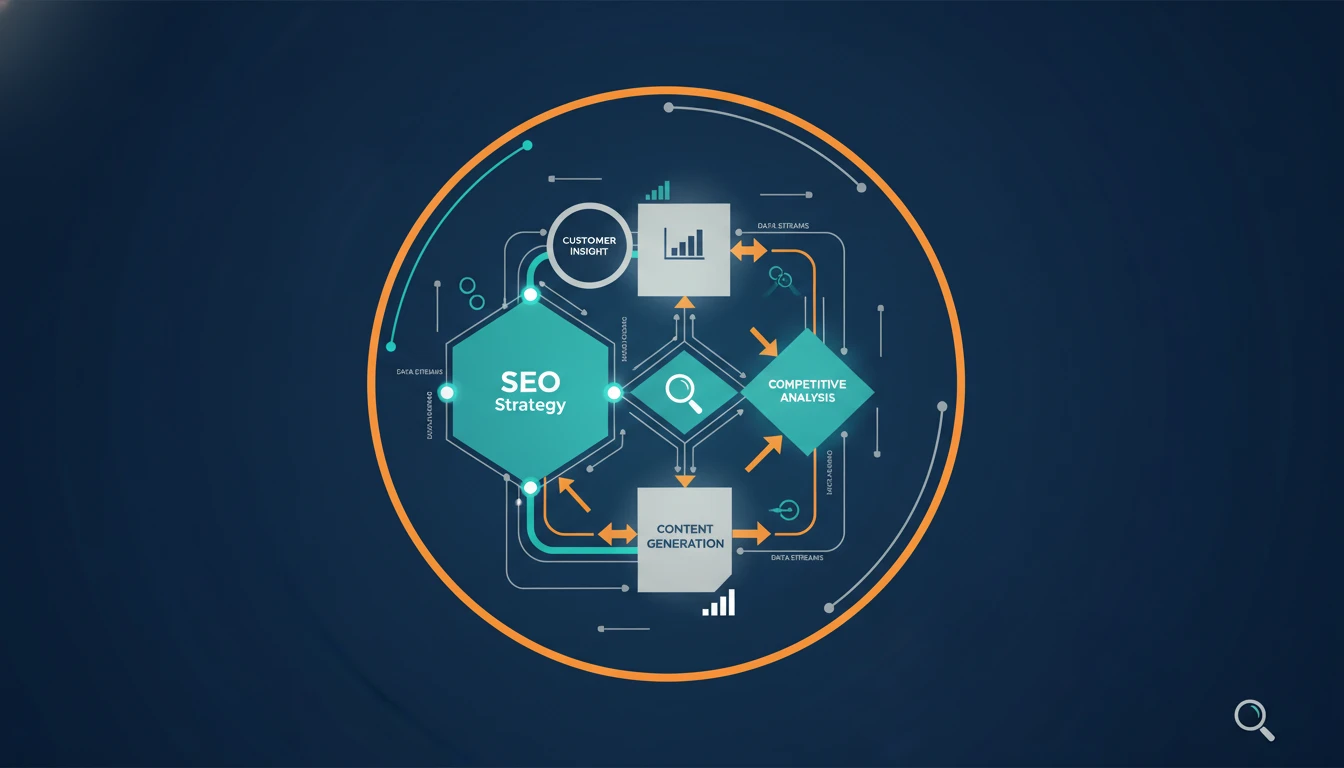
To stay ahead, SaaS teams must adopt an integrated AI content generation workflow that combines multiple technologies and data sources. Here's a blueprint for building such a system:
For example, a marketing agency managing 20 SaaS clients might use this workflow to generate 100+ blog posts per month, each tailored to specific audience intents and optimized for both Google and AI search interfaces.Frequently Asked Questions
Conclusion: The Future of AI-Powered Content Is Here
AI content generation is no longer a futuristic concept, it's a core component of modern SEO strategy and execution. For SaaS teams and agencies, the ability to combine automation, customer insight acquisition, and multi-source data analysis creates a powerful competitive advantage. By leveraging Reddit intent analysis, Wikipedia backlink opportunities, and AI fallback systems, organizations can build resilient, high-performing content engines.
The key is balance: using AI to enhance efficiency while maintaining human oversight for quality and compliance. As search evolves with generative AI, the brands that succeed will be those that adapt early and implement intelligent, integrated workflows.
Ready to transform your content strategy? Explore how Citedy's SaaS platform empowers teams to build scalable, AI-driven content operations with built-in automation, competitive analysis, and SEO optimization tools designed for the 2026 digital landscape.