


In today's competitive digital landscape, publishing blog content is only half the battle. Many businesses invest heavily in creating high-quality articles, only to see readers arrive, consume the content, and leave without taking any meaningful action. This common scenario underscores a critical gap: the lack of a structured retargeting strategy. Without a plan to re-engage those visitors, companies miss out on significant conversion opportunities. Retargeting from blog content is not just about bringing people back, it's about guiding them through a journey from awareness to conversion. For modern SaaS brands and content-driven businesses, mastering blog retargeting can dramatically improve lead generation, customer acquisition, and overall ROI.
This guide explores how organizations can implement a powerful retargeting strategy that turns passive blog readers into active leads and, ultimately, paying customers. Readers will learn the mechanics behind blog retargeting, best practices for implementation, and how to leverage AI-powered tools to scale their efforts efficiently. The article is structured to first define blog retargeting and its core principles, followed by a deep dive into strategic frameworks, real-world applications, and common pitfalls. It also covers how platforms like Citedy enable automated, data-driven retargeting through integrated AI insights and content optimization tools such as AI Visibility and AI Writer Agent. By the end, readers will have a clear roadmap for building a sustainable blog retargeting system that drives measurable business outcomes.
What Is Blog Retargeting?

Blog retargeting refers to the process of re-engaging visitors who have previously interacted with a blog but did not convert. Unlike broad advertising retargeting, which often relies on display ads across third-party websites, blog retargeting is more focused and contextually relevant. It leverages behavioral data from blog interactions, such as pages visited, time spent, scroll depth, and content engagement, to deliver personalized follow-up experiences. These may include targeted email sequences, dynamic content recommendations, or AI-curated lead magnets designed to nurture interest over time.
For instance, a visitor who reads an in-depth article about "AI-driven content marketing" might be served a follow-up email with a downloadable checklist on implementing AI tools, followed by a demo offer for a related SaaS platform. This approach ensures that communication remains aligned with the user's demonstrated interests. Research indicates that personalized content based on user behavior increases conversion rates by up to 20% compared to generic messaging (HubSpot, 2023). This means that retargeting from blog content isn't just about visibility, it's about relevance.
Platforms like Citedy enhance this process by integrating behavioral tracking with AI-powered content recommendations. Using tools such as Content Gaps, businesses can identify topics their audience is searching for but not yet fully covered on their blog, allowing them to create follow-up content that naturally extends the user journey. This strategic alignment between content creation and retargeting ensures that every blog post becomes a potential entry point into a broader conversion funnel.
How Does Blog Retargeting Work?
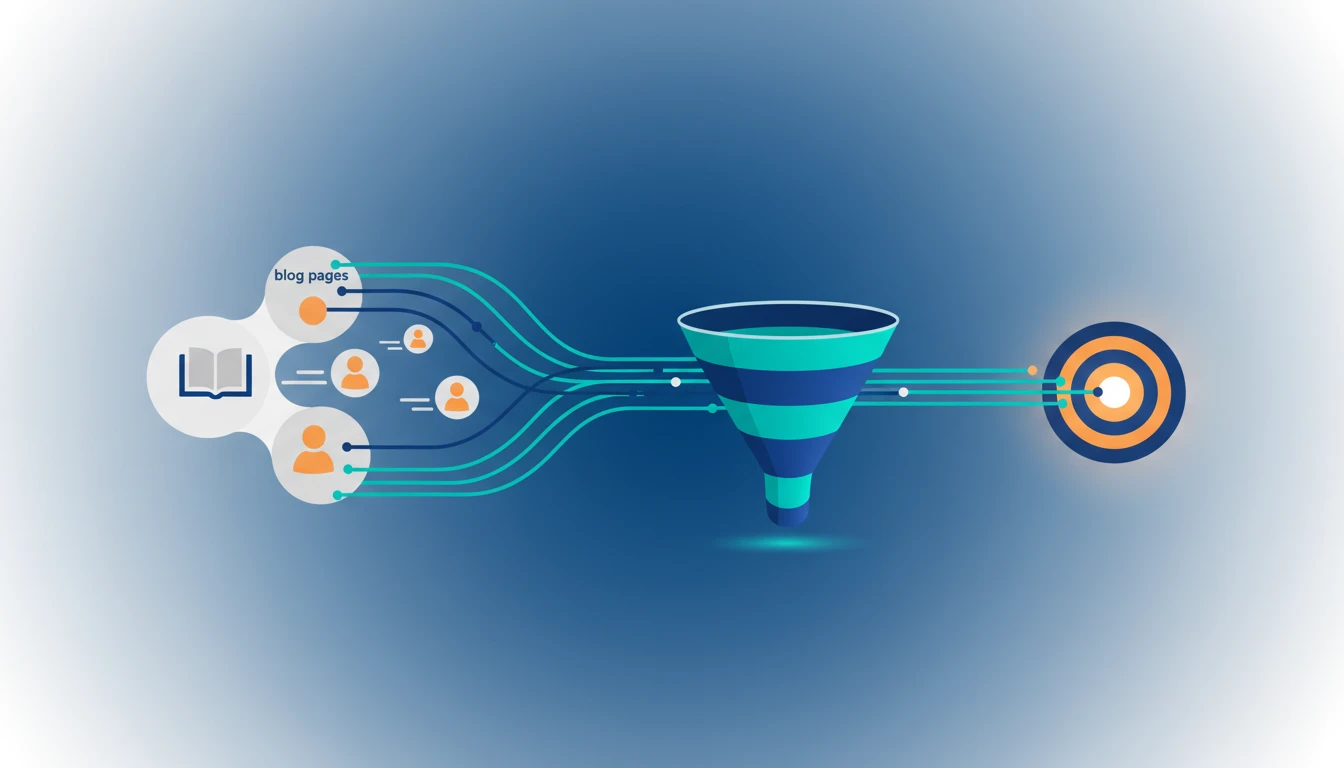
The effectiveness of blog retargeting hinges on a well-structured data-to-action pipeline. It begins with tracking visitor behavior on blog pages using cookies, UTM parameters, or embedded tracking scripts. This data captures key metrics such as page views, session duration, bounce rate, and interaction with embedded CTAs or forms. Once collected, this information is used to segment audiences based on intent and engagement level.
For example, one segment might include users who read multiple articles but never signed up for a newsletter, while another consists of visitors who downloaded a lead magnet but didn't proceed to a product demo. Each segment then receives tailored retargeting campaigns. High-intent users might be shown case studies or pricing pages, while mid-funnel readers receive educational content or comparison guides.
Citedy streamlines this workflow through its integrated AI Visibility dashboard, which analyzes user engagement patterns and surfaces actionable insights. The platform automatically identifies high-performing content and suggests retargeting pathways based on user intent signals. Additionally, tools like X.com Intent Scout and Reddit Intent Scout allow marketers to monitor external conversations related to their blog topics, enabling them to re-engage users who discuss or share their content on social platforms.
This means that retargeting isn't limited to on-site interactions, it extends into the broader digital ecosystem. By combining internal blog analytics with external intent data, businesses can create a 360-degree view of their audience's journey, making their retargeting strategy both comprehensive and highly responsive.
Best Practices for an Effective Retargeting Strategy

A successful retargeting strategy requires more than just setting up automated emails or pop-ups. It demands intentionality, segmentation, and continuous optimization. One of the most effective practices is creating dynamic lead magnets that align with specific blog topics. For example, a blog post about "scaling remote teams" could trigger a context-sensitive offer for a free team productivity toolkit. These offers, hosted via Lead Magnets, are designed to capture contact information while providing immediate value.
Another best practice is timing. Research indicates that the optimal window for retargeting blog visitors is within 24 to 72 hours after their initial visit. After this period, engagement rates drop significantly. Automated workflows that trigger follow-ups based on user behavior, such as abandoning a blog series midway, can help maintain momentum.
Content personalization is also crucial. Instead of sending the same email to all subscribers, businesses should use behavioral tags to customize messaging. A user who read three technical articles might receive advanced whitepapers, while a first-time visitor gets beginner-friendly guides. Citedy's AI Writer Agent supports this by generating personalized content variants optimized for different audience segments.
Finally, marketers should avoid over-retargeting. Bombarding users with too many messages can lead to fatigue and unsubscribes. A balanced approach, combining frequency capping with relevance scoring, ensures that communications remain helpful rather than intrusive.
Benefits of Retargeting From Blog Content

Implementing a structured retargeting strategy delivers measurable advantages. First, it increases conversion rates by focusing on warm leads, individuals who have already shown interest in a topic. According to a study by WordStream, retargeted visitors are 70% more likely to convert than first-time site visitors. This makes blog retargeting one of the highest-ROI marketing activities available.
Second, it enhances customer lifetime value (CLV). By nurturing readers through a content-based journey, businesses build trust and authority over time. A reader who progresses from blog posts to lead magnets to product demos is more likely to become a loyal customer.
Third, retargeting improves content efficiency. Instead of treating each blog post as a standalone asset, companies can repurpose top-performing content into multi-touch campaigns. For instance, a popular article on "SEO trends in 2024" can be transformed into a webinar invitation, an email course, or a downloadable report, all triggered through retargeting logic.
Citedy amplifies these benefits through automation. The Swarm Autopilot Writers feature enables teams to generate follow-up content at scale, ensuring that no reader falls through the cracks. This means that even with limited marketing resources, businesses can maintain consistent engagement across their audience.
How to Get Started With Blog Retargeting
Starting a blog retargeting initiative begins with auditing existing content and audience data. Marketers should identify high-traffic blog posts and analyze user behavior on those pages. Tools like AI Visibility provide heatmaps, scroll depth analytics, and exit rate data to pinpoint where readers disengage.
Next, businesses should define conversion goals for each piece of content. Is the objective to grow the email list, book demos, or drive product trials? Once goals are set, they can create targeted CTAs and lead magnets using Lead Magnets. These offers should be contextually relevant, for example, embedding a "Download the Full Guide" button at the end of a how-to article.
The third step is setting up automated workflows. Email sequences, retargeting ads, and in-app messages should be triggered based on user actions. Citedy simplifies this with built-in automation rules that sync blog engagement with CRM and email marketing platforms.
Finally, continuous testing is essential. A/B testing different lead magnet designs, email subject lines, or CTA placements helps refine the retargeting strategy over time. The Wiki Dead Links tool can also be used to identify outdated external references in blog content, ensuring that all linked resources remain functional and trustworthy, another subtle but important factor in maintaining user confidence.
Common Mistakes in Blog Retargeting
Even well-intentioned retargeting efforts can fail due to common oversights. One major mistake is poor audience segmentation. Treating all blog visitors the same leads to irrelevant messaging and low engagement. For example, sending a beginner's guide to someone who has already consumed advanced content can damage brand credibility.
Another frequent error is neglecting mobile optimization. Over 60% of blog traffic comes from mobile devices (Statista, 2023), yet many retargeting pop-ups and forms are not mobile-friendly. This creates friction and increases drop-off rates.
A third pitfall is ignoring content decay. Blog posts that rank well today may lose relevance over time, especially in fast-moving industries like tech or marketing. Failing to update or refresh these articles diminishes their retargeting potential. Citedy addresses this through its Content Gaps feature, which alerts users when their content falls behind competitors in depth or freshness.
Lastly, some businesses rely solely on email retargeting while overlooking other channels. Social media, paid ads, and in-content recommendations should all be part of a holistic strategy. By integrating insights from Reddit Intent Scout, marketers can identify trending discussions and re-engage users where they're already active.
Frequently Asked Questions
Conclusion
Retargeting from blog content is a powerful strategy for turning casual readers into loyal customers. By understanding user behavior, delivering personalized experiences, and leveraging automation, businesses can maximize the value of their content investments. A well-executed retargeting strategy not only boosts conversions but also strengthens brand authority and customer trust.
To get started, organizations should audit their existing blog performance, define clear conversion goals, and implement targeted lead magnets and automated workflows. Platforms like Citedy provide the necessary infrastructure to scale these efforts efficiently, with tools like Swarm Autopilot Writers and Content Gaps enabling data-driven content creation and optimization.
The next step is clear: transform your blog from a static content repository into a dynamic lead generation engine. Explore Citedy's suite of AI-powered tools to build a smarter, more effective retargeting strategy today.