


In today's competitive SaaS landscape, attracting qualified traffic isn't just about volume, it's about relevance. Many content teams invest heavily in SEO and paid ads only to find their efforts yielding low conversion rates. The missing piece? A focused strategy around high intent keywords. These search terms signal that a user is ready to evaluate or purchase a solution, making them invaluable for driving measurable business growth. This guide demystifies high intent keywords, explains how they function within modern SaaS marketing, and outlines best practices for identifying and leveraging them effectively. Readers will learn how to align content with user intent, avoid common pitfalls, and use AI-powered tools to uncover hidden opportunities. The journey includes practical steps, real-world applications, and insights into how platforms like Citedy streamline the process of turning intent into action.
What Are High Intent Keywords?
High intent keywords are search queries that indicate a user is actively seeking a solution, often at the decision-making stage of the buyer's journey. Unlike broad or informational terms like "what is CRM," high intent keywords include phrases such as "best SaaS CRM for sales teams" or "automated onboarding software pricing." These queries reflect a clear need and a readiness to engage with products or services. Research indicates that conversion rates for high intent keyword traffic can be up to 5-10 times higher than those for low intent traffic, especially in the SaaS sector. This means that even with lower search volume, targeting these terms delivers superior ROI. For instance, a company offering AI-driven customer support tools might prioritize keywords like "AI chatbot integration for Shopify" over generic terms like "customer service tips." Understanding this distinction allows marketers to allocate resources more efficiently and create content that directly addresses user needs.
How High Intent Keywords Work in SaaS Marketing
High intent keywords function as signals of readiness. When a potential customer searches for "SaaS analytics dashboard with real-time tracking," they are not merely browsing, they are evaluating solutions. Search engines and ad platforms use these queries to serve highly relevant results, increasing the likelihood of engagement. In paid advertising, bidding on high intent keywords often results in lower cost-per-acquisition (CPA) due to higher conversion probabilities. However, success depends on alignment between the keyword, landing page, and product offering. A mismatch, such as targeting "enterprise-grade SaaS security tools" but directing traffic to a generic homepage, can erode trust and increase bounce rates. This means that effective use of high intent keywords requires not only identification but also precise content alignment. Tools like AI Visibility help marketers analyze search intent patterns and map them to existing content, ensuring that each high-value keyword leads to a purpose-built experience.
Best Practices for Leveraging High Intent Keywords
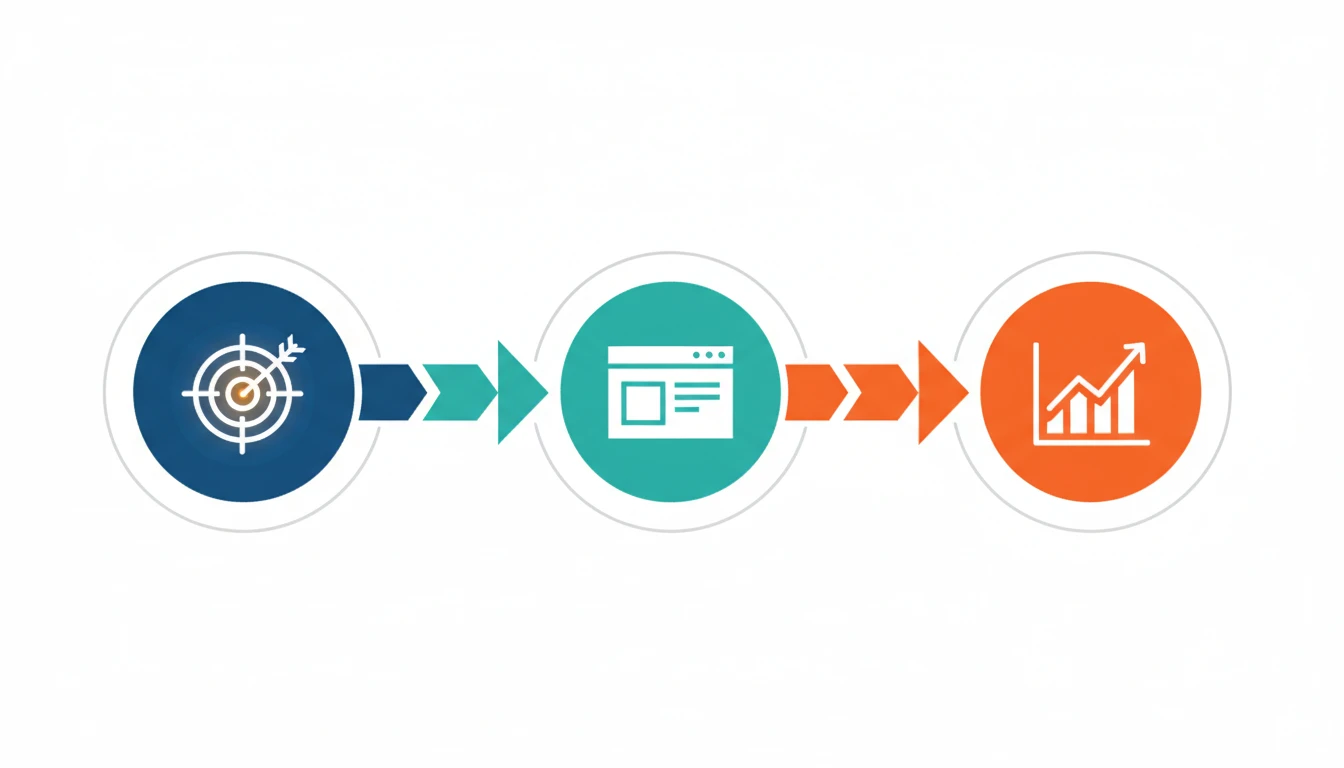
To maximize the impact of high intent keywords, SaaS marketers should adopt a structured approach. First, prioritize keywords with clear commercial intent, such as those including terms like "buy," "pricing," "demo," or "vs." Second, create dedicated landing pages or blog posts that directly address the query. For example, a post titled "ClickUp vs Notion: Which Project Management Tool Fits Your SaaS Team?" targets a high intent comparison query. Third, integrate lead capture mechanisms, such as gated feature checklists or free trial offers, using Lead Magnets to convert visitors into leads. Fourth, continuously monitor performance through intent analytics. Platforms like X.com Intent Scout and Reddit Intent Scout allow teams to detect emerging conversations and real-time user needs across communities. Finally, update content regularly to reflect product changes and market shifts, ensuring long-term relevance.
Identifying High Intent Opportunities with AI
Manual keyword research often misses nuanced intent signals. AI-powered tools, however, can analyze vast datasets to uncover high intent patterns. For example, Content Gaps identifies topics competitors rank for but a brand has not yet covered, especially those with strong conversion potential. Similarly, Wiki Dead Links detects broken references in Wikipedia articles related to SaaS tools, presenting opportunities to reclaim authoritative backlinks by offering updated, intent-rich content. Consider the case of a SaaS startup that used Reddit Intent Scout to discover frequent user discussions around "automated user onboarding for B2B apps." By creating a detailed guide and integrating it with a free onboarding template via Lead Magnets, they increased lead generation by 40% in six weeks. This demonstrates how AI tools transform raw data into actionable, high-intent strategies.
Avoiding Common Mistakes in High Intent Campaigns

One of the most frequent missteps is conflating high search volume with high intent. A term like "SaaS" may generate millions of searches, but without modifiers, it lacks specificity. Another error is failing to match content depth to user intent. A search for "how to set up SSO" requires a technical, step-by-step guide, not a sales pitch. Additionally, neglecting long-tail variations limits reach; "cloud-based HR SaaS for remote teams" is more targeted than "HR software." Marketers should also avoid over-reliance on third-party keyword tools that don't distinguish intent tiers. Instead, they should combine AI insights with behavioral data. Internal case studies show that teams using AI Writer Agent to generate intent-optimized content see 30% higher engagement than those using generic templates. This means that precision, not volume, drives success.
Scaling Content Production with Intent in Mind
Once high intent opportunities are identified, scaling content production becomes critical. Manual writing processes can't keep pace with demand. This is where Swarm Autopilot Writers excels, by deploying AI agents to generate multiple blog posts, comparison guides, and landing pages aligned with high intent keywords. For instance, a SaaS company targeting the "no-code automation" space used the platform to publish 20 intent-driven articles in one month, each optimized for specific decision-stage queries. The result was a 65% increase in organic sign-ups. These AI writers don't just produce content, they ensure alignment with search intent, keyword relevance, and conversion goals. When paired with AI Visibility, the system continuously refines output based on performance data, creating a self-improving content engine.
Frequently Asked Questions
Conclusion
High intent keywords are a cornerstone of effective SaaS marketing, offering a direct path to qualified leads and sustainable growth. By understanding what these keywords are, how they function, and how to identify and act on them, teams can significantly improve their content ROI. Avoiding common mistakes, such as prioritizing volume over intent, and embracing AI-driven tools ensures long-term success. Platforms like Citedy provide the necessary infrastructure, from intent detection to automated content creation, enabling marketers to move from guesswork to precision. The next step is clear: audit current content, identify high intent gaps, and begin building a strategy powered by data and automation. Start today by exploring AI Visibility and launching your first intent-driven campaign with Swarm Autopilot Writers.