


Marketing Automation: How SaaS Teams Achieve Productivity at Scale
In today's fast-paced digital landscape, SaaS marketing teams face a growing challenge: how to produce high-quality, SEO-optimized content consistently while maintaining brand voice and maximizing productivity. With shrinking content cycles and rising audience expectations, manual workflows simply don't scale. This is where marketing automation becomes not just a convenience, but a necessity. For SaaS organizations aiming to grow efficiently, marketing automation offers a strategic advantage by reducing repetitive tasks, improving campaign accuracy, and accelerating time-to-market for content. In this comprehensive guide, you'll learn what marketing automation truly means, how it's applied in modern SaaS environments, and the practical steps to implement it effectively. We'll explore real-world examples, address common misconceptions, and break down the technology that powers intelligent automation, especially AI-driven workflows. You'll also discover how to evaluate tools, measure success, and develop the skills needed to thrive in an automated marketing ecosystem. Whether you're a content lead, marketing strategist, or SaaS founder, this article will equip you with the knowledge to transform your marketing operations. We'll cover key topics including the role of AI in automation, actionable implementation frameworks, and the evolving skill sets in demand. By the end, you'll understand not only how to start with marketing automation but also how to scale it sustainably.
What Is Marketing Automation?
Marketing automation refers to the use of technology to streamline, execute, and analyze marketing tasks and workflows with minimal manual intervention. At its core, it's about leveraging software and intelligent systems to handle repetitive, time-consuming activities, such as email campaigns, social media scheduling, lead nurturing, and content distribution, so that marketing teams can focus on strategy, creativity, and growth. For SaaS companies, where customer acquisition and retention are tightly linked to content and engagement, marketing automation becomes a critical enabler of scalability. For instance, instead of manually sending follow-up emails to trial users, a SaaS platform can use automation to deliver personalized, behavior-triggered messages based on user actions, like signing up, visiting a pricing page, or abandoning a cart. This means that marketing efforts become more responsive, targeted, and efficient. Research indicates that businesses using marketing automation see up to a 14.5% increase in sales productivity and a 12.2% reduction in marketing overhead. But it's not just about saving time; it's about enhancing precision. Automation ensures consistent messaging, reduces human error, and enables data-driven personalization at scale. This is especially vital in SaaS, where customer journeys are complex and often span multiple touchpoints over extended periods. Marketing automation integrates with CRM systems, analytics platforms, and content management tools to create a unified, responsive marketing engine. As AI and machine learning advance, these systems are becoming even more intelligent, predicting user behavior, optimizing send times, and even generating content drafts. This evolution underscores the shift from basic task automation to intelligent, adaptive marketing ecosystems.
How Is Automation Used in Marketing?
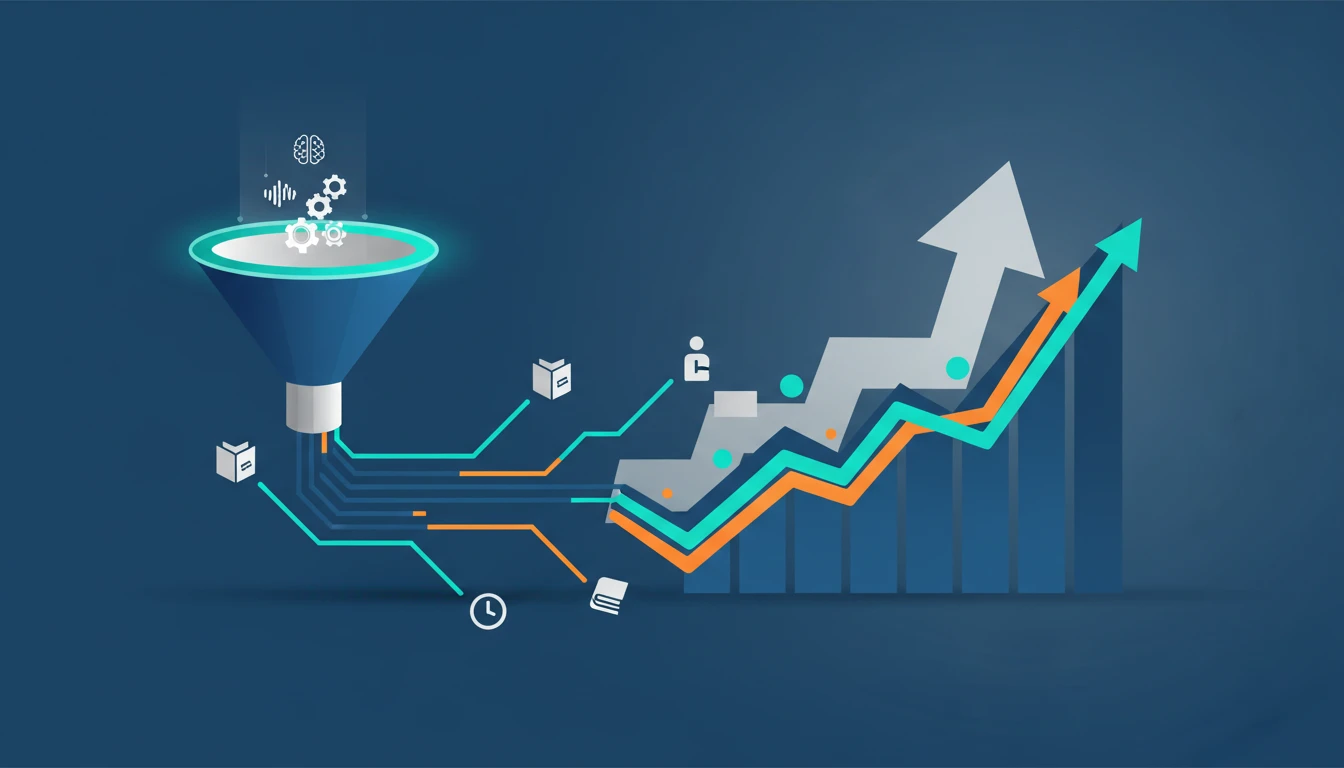
Automation in marketing spans a wide range of applications, from lead generation to customer retention. In the SaaS world, where content is a primary driver of growth, automation plays a pivotal role in content creation, distribution, and performance tracking. Consider the case of a SaaS company launching a new feature. Traditionally, this would require a content writer to draft a blog post, a designer to create visuals, a social media manager to schedule posts, and an email marketer to notify subscribers, each step handled separately and sequentially. With marketing automation, these tasks can be coordinated through integrated workflows. For example, once a blog post is published, automation can trigger a social media campaign across LinkedIn, Twitter, and Facebook, distribute a summary to an email list, and update internal knowledge bases, all without manual input. Beyond content, automation powers lead scoring and segmentation. When a user downloads a whitepaper or signs up for a demo, automated systems can tag them based on behavior, assign a lead score, and route them to the appropriate sales representative. This ensures timely follow-ups and improves conversion rates. Another powerful use case is drip campaigns: a series of automated emails designed to nurture leads over time. For instance, a SaaS tool might send a welcome email, followed by a tutorial, a case study, and a pricing offer, each triggered by user engagement. Research indicates that drip campaigns generate 18% more revenue per email than broadcast messages. Additionally, AI-powered automation can monitor content performance in real time, identifying which topics drive traffic and which pages need optimization. This feedback loop enables continuous improvement, turning marketing into a self-optimizing system. The integration of AI in these workflows allows for predictive analytics, forecasting which content will perform best, or which users are most likely to convert, further enhancing decision-making.
Evaluating Marketing Automation Tools
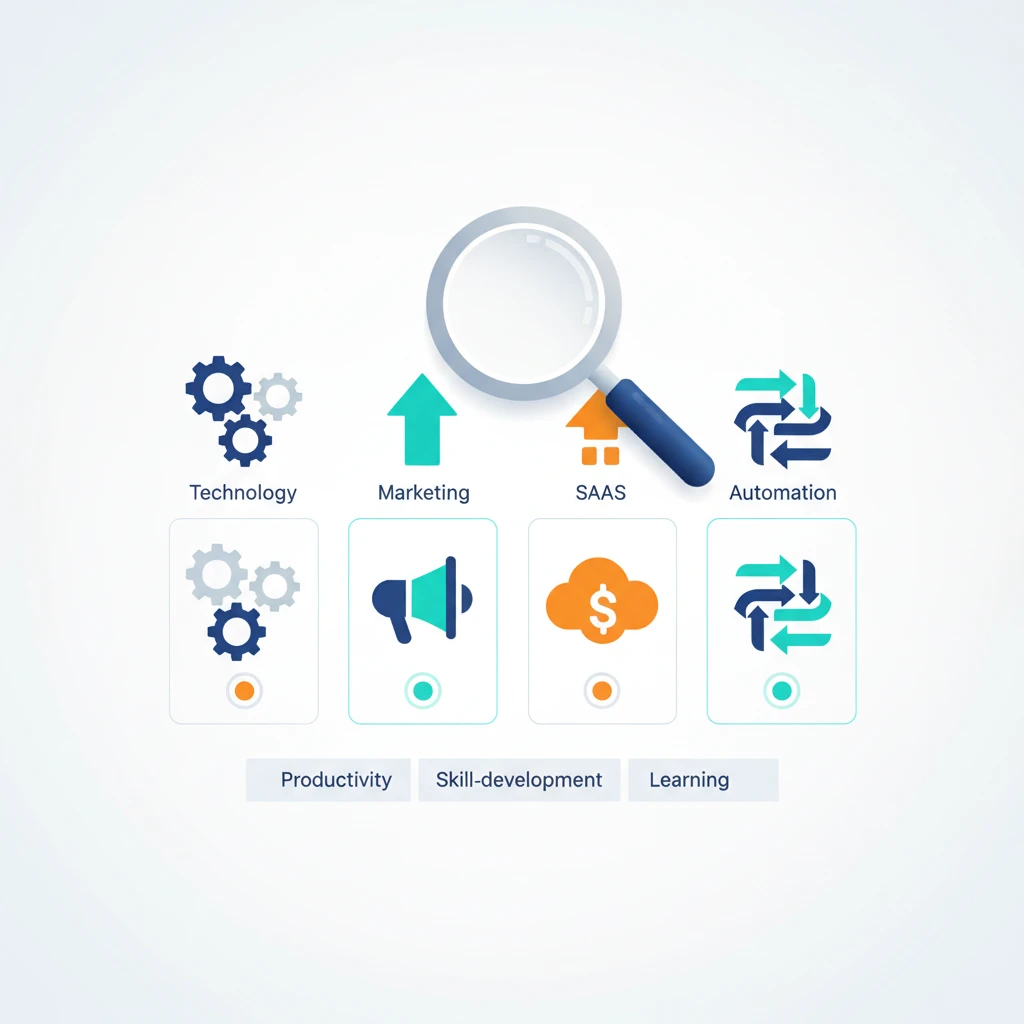
Choosing the right marketing automation tool is critical for long-term success. With a growing number of platforms offering varying levels of functionality, it's essential to evaluate options based on your team's specific needs. Key factors include ease of integration, scalability, AI capabilities, and user experience. For SaaS teams, the ideal tool should support content automation, lead management, analytics, and multi-channel campaign execution. For instance, a platform that integrates seamlessly with your existing CRM, CMS, and analytics tools ensures data consistency and reduces operational friction. Look for tools that offer workflow builders, visual interfaces that allow marketers to design complex automation sequences without coding. This empowers non-technical team members to contribute to automation strategies. AI-driven features, such as content suggestions, sentiment analysis, and predictive lead scoring, are increasingly important differentiators. For example, AI can analyze past campaign performance to recommend optimal send times or subject lines, improving open rates. Another consideration is scalability. As your SaaS product grows, your marketing automation system should be able to handle increased volume without performance degradation. Cloud-based SaaS platforms often provide the flexibility needed for this. It's also wise to assess the learning curve and support resources available. A tool may offer advanced features, but if your team struggles to use them effectively, the ROI diminishes. Many platforms now include built-in training modules, community forums, and responsive customer support to aid adoption. When evaluating tools, consider running a pilot program with a limited use case, such as automating a welcome email sequence, to assess performance before full-scale deployment. This approach reduces risk and provides tangible data for decision-making.
How to Start with Marketing Automation
Starting with marketing automation doesn't require a complete overhaul of your existing processes. A practical approach is to begin with a single, high-impact workflow and expand gradually. First, identify a repetitive task that consumes significant time, such as onboarding new subscribers or distributing blog content. Map out the current process step by step. Then, define the desired outcome: faster delivery, higher engagement, or improved personalization. Next, select a tool that supports automation for that specific use case. For example, if your goal is to increase blog engagement, set up an automation that shares new posts across social channels and sends a curated digest to your email list. Use AI-powered analytics to track performance and refine the workflow over time. It's also important to establish clear KPIs, such as open rates, click-through rates, or conversion rates, to measure success. Team alignment is another critical factor. Ensure that marketing, sales, and product teams are on the same page regarding data sharing, lead handoffs, and messaging consistency. Training is essential; even the best tools underperform if users don't understand how to leverage them. Many SaaS platforms offer onboarding resources and templates to accelerate adoption. Start small, measure results, iterate, and scale. This incremental approach reduces risk and builds organizational confidence in automation.
The Role of AI in Marketing Automation
AI is transforming marketing automation from a rules-based system into an intelligent, adaptive framework. Modern marketing automation AI can analyze vast datasets to uncover patterns, predict user behavior, and optimize campaigns in real time. For example, AI can determine the best time to send an email based on individual user activity, or personalize subject lines to improve open rates. Natural language processing (NLP) enables AI to generate content drafts, summarize articles, or even create SEO meta descriptions, dramatically accelerating content production. For SaaS teams, this means faster time-to-market and consistent brand voice across channels. Consider a scenario where a SaaS company publishes a new case study. AI can automatically generate a social media post, an email summary, and a tweet thread, tailored to different audience segments. This level of automation not only boosts productivity but also ensures message consistency. Moreover, AI-driven analytics can identify content gaps, recommend topics based on search trends, and predict which pieces will drive the most engagement. This transforms content planning from a guesswork exercise into a data-driven strategy. As AI models become more sophisticated, they are also being used to monitor brand sentiment, detect emerging customer needs, and even suggest product improvements based on user feedback. The integration of AI into marketing automation is not about replacing humans, it's about augmenting their capabilities.
Skill Development in the Age of Automation
As marketing automation becomes more prevalent, the skills required for success are evolving. While technical proficiency with automation tools is important, soft skills like strategic thinking, creativity, and data interpretation are becoming even more valuable. Marketers must learn to design workflows, interpret analytics, and optimize campaigns based on performance data. Upskilling is essential. Many professionals are turning to online courses, certifications, and hands-on practice to build expertise in automation platforms and AI tools. For SaaS teams, investing in continuous learning ensures that staff can adapt to new technologies and leverage them effectively. Understanding how to set up triggers, manage lead scoring models, and analyze conversion funnels are now core competencies. Additionally, collaboration between marketing and product teams is increasingly important, as automation often relies on shared data and aligned goals. Companies that prioritize skill development create a culture of innovation and agility. Encouraging experimentation, such as A/B testing automated emails or refining segmentation rules, fosters a learning mindset. As automation handles more routine tasks, marketers are freed to focus on high-impact activities like customer research, brand strategy, and campaign innovation. This shift represents a significant opportunity for career growth and organizational impact.
Frequently Asked Questions
Conclusion
Marketing automation is no longer optional for SaaS teams aiming to scale efficiently. It enhances productivity, ensures consistent messaging, and enables data-driven decision-making across the customer journey. By understanding what marketing automation entails, how it's applied, and how to implement it strategically, organizations can unlock significant competitive advantages. The integration of AI further amplifies these benefits, enabling smarter, faster, and more personalized marketing. As the landscape evolves, continuous learning and skill development will be key to staying ahead. If you're ready to transform your content workflow, consider exploring platforms that combine automation, AI, and seamless integration, designed specifically for modern SaaS marketing teams. Discover how Citedy supports intelligent content automation and empowers your team to ship high-performing SEO content faster.