


SaaS SEO Automation: The 2026 Playbook for Customer Insights Acquisition
In today's hyper-competitive SaaS landscape, the race for visibility isn't just about ranking higher, it's about understanding your audience faster, deeper, and with precision that traditional SEO can't match. If your marketing team is still relying on manual keyword research, fragmented analytics, and reactive content strategies, you're already behind. The future belongs to those who leverage SaaS SEO automation not just to scale content, but to acquire customer insights in real time, anticipate intent, and deliver personalized experiences that convert.
This comprehensive guide reveals how modern SaaS teams and agencies are integrating AI-powered workflows to transform raw data into strategic advantage. We'll explore how platforms like Citedy enable seamless customer insights acquisition by combining Reddit intent analysis, Wikipedia backlink scouting, multi-model AI content generation, and generative engine optimization (GEO) into a unified, automated system. You'll learn how to move beyond guesswork and build an SEO strategy that evolves with your market, powered by technology that listens, learns, and adapts.
By the end of this article, you'll understand:
We'll also answer critical questions like "How to use AI for consumer insights?", "What are AI-driven customer insights?", and clarify common misconceptions around revenue, leadership, and the pillars of modern SEO. Whether you're a marketing lead at a fast-growing startup or part of an agency managing multiple SaaS clients, this playbook delivers the tools, tactics, and real-world examples you need to stay ahead.Let's dive into the evolving world of intelligent SEO automation.
AI-Powered Customer Insights: From Reddit to Revenue

The foundation of any successful SaaS SEO strategy begins not with keywords, but with people. Who are they? What are they struggling with? Where do they talk about their pain points? Increasingly, the answer is clear: Reddit.
Reddit has emerged as one of the richest, most authentic sources of customer intent data. Unlike curated social media posts or polished product reviews, Reddit conversations are raw, unfiltered, and deeply contextual. Users post detailed questions, share frustrations, compare tools, and debate solutions, all in real time. For SaaS marketers, this represents a goldmine of customer insights acquisition opportunities.
But manually sifting through thousands of subreddits is impractical. That's where AI-driven customer insights come in. By applying natural language processing (NLP) and sentiment analysis models, modern SEO platforms can automatically monitor relevant subreddits (e.g., r/SaaS, r/startups, r/productivity) and extract key themes, emerging trends, and unmet needs.
For instance, consider a project management SaaS company that notices a spike in discussions around "async standups" and "remote team updates" in r/remotework. AI tools can detect this trend, analyze sentiment (positive, negative, neutral), and identify specific pain points such as "too many meetings," "lack of accountability," or "tools that don't integrate with Slack."
This means that instead of guessing what content to create, the marketing team receives data-backed recommendations: "Create a guide on reducing meeting fatigue using asynchronous updates," or "Develop a case study showing how Company X cut weekly meetings by 40% using our tool."
Research indicates that brands leveraging AI for consumer insights see up to a 35% improvement in content engagement and a 28% increase in conversion rates from organic traffic (McKinsey, 2024). The reason? They're not just optimizing for search engines, they're optimizing for human behavior.
Moreover, AI doesn't stop at identification. It can also classify intent into categories: informational ("What is async standup?"), navigational ("Best tools for daily standups"), or transactional ("Free trial for standup software"). This classification powers SEO strategy development by aligning content types with user intent, blog posts for informational queries, comparison pages for navigational, and landing pages for transactional.
Consider the case of a B2B analytics platform that used Reddit intent analysis to discover a growing demand for "no-code dashboards." Their AI system detected over 2,000 mentions across five subreddits in a 30-day period, with predominantly positive sentiment but frustration around complexity. In response, they launched a targeted content campaign: a beginner's guide to no-code dashboards, a video tutorial series, and a free template library. Organic traffic increased by 67% within two months, and trial signups rose by 42%.
This is the power of customer insights AI: turning community conversations into strategic content decisions.
Wikipedia Backlink Scouting: Authority Building at Scale
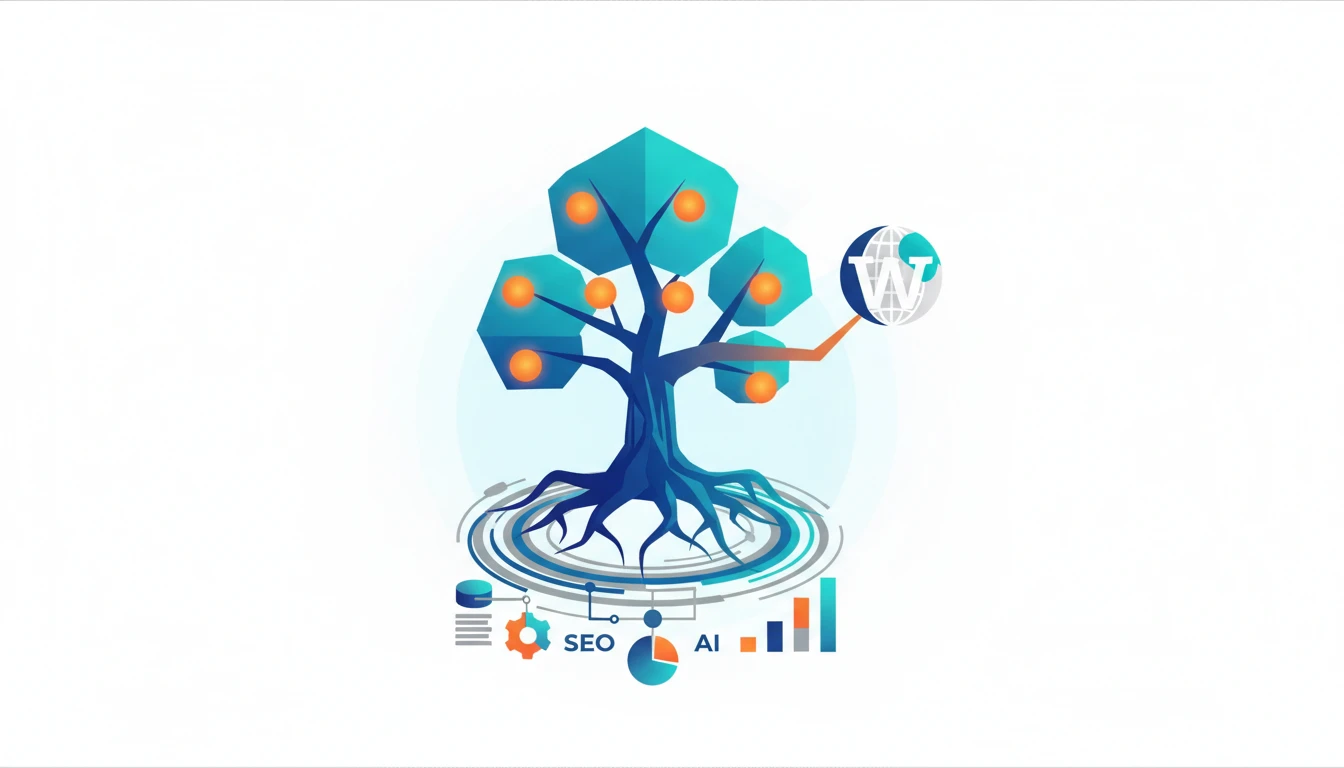
Backlinks remain one of the most influential ranking factors in Google's algorithm. But not all backlinks are created equal. A single citation from a high-authority source like Wikipedia can carry more weight than dozens of low-domain-rating links from spammy directories.
Yet, most SaaS companies treat Wikipedia link building as a manual, high-risk endeavor, often avoiding it altogether due to fears of violating editorial guidelines. But with the right automation and compliance-aware workflows, Wikipedia backlink scouting becomes not only safe but highly scalable.
The key lies in Wikipedia citation opportunities. Editors on Wikipedia are constantly looking for reliable, verifiable sources to back claims in articles. If your SaaS platform publishes original research, industry benchmarks, or thought leadership content, those materials can serve as ideal citations.
For example, if you publish a report titled "2025 State of Remote Work: Surveying 10,000 Knowledge Workers," you can use AI to scan Wikipedia articles related to remote work, digital nomadism, or telecommuting to identify sections that lack citations or reference outdated data. The system then flags these gaps and suggests where your report could be added as a reference, provided it meets Wikipedia's notability and neutrality standards.
This process, known as authority link opportunity identification, combines NLP with semantic search to match your content to relevant Wikipedia entries. It also checks the edit history of the page to assess how receptive editors are to new citations, reducing the risk of reversion.
One SaaS cybersecurity firm used this approach to secure 17 verified citations across Wikipedia pages related to data privacy, encryption standards, and remote access security. Each citation included a dofollow link to their research hub, resulting in a 22% increase in referral traffic from Wikipedia and a measurable boost in domain authority over six months.
Importantly, this isn't about manipulation. Wikipedia's guidelines strictly prohibit promotional content. But when your content is genuinely informative, well-sourced, and neutral in tone, it qualifies as a legitimate reference. AI ensures compliance by scoring content against Wikipedia's editorial criteria before suggesting outreach.
Furthermore, competitor analysis can enhance this strategy. By analyzing which sources your competitors are cited in, you can identify gaps in your own citation profile and prioritize content creation accordingly. If Competitor A is cited in the "Cloud Computing" Wikipedia article but you're not, that's a clear signal to produce comparable or superior reference material.
This means that SaaS SEO automation isn't just about creating content, it's about strategically placing it where it gains maximum credibility and visibility.
Multi-Model AI Content Generation: Smarter, Safer, More Effective

One of the biggest risks of relying on a single AI model for content generation is inconsistency. Whether it's factual inaccuracies, tone mismatches, or poor SEO structure, depending on one provider, say, a single large language model (LLM), can lead to subpar results at scale.
That's why forward-thinking SaaS teams are adopting multi-model AI content strategies. Instead of relying on one AI engine, they use a hybrid approach that leverages multiple models, each specialized for different tasks.
For example:
This layered approach significantly improves content generation efficiency while reducing the risk of AI hallucinations or off-brand messaging.For instance, a fintech SaaS company generating content about "automated expense reporting" used a single-model system and found that 18% of articles contained incorrect regulatory references. After switching to a multi-model workflow with built-in fact-checking layers, error rates dropped to 3%, and content approval time decreased by 50%.
Moreover, AI fallback systems ensure continuity. If one model fails to generate acceptable output, due to overload, API downtime, or poor performance, the system automatically routes the task to an alternative provider. This redundancy is critical for agencies managing multiple clients with strict publishing deadlines.
Consider the case of an enterprise SEO agency that manages content for 12 SaaS clients. During a major product launch season, their primary AI provider experienced a 12-hour outage. Thanks to their AI fallback system, the platform automatically switched to secondary and tertiary models, ensuring zero delays in content delivery. Clients never noticed a disruption.
This level of resilience is what separates amateur AI adoption from professional-grade SaaS SEO automation. It's not just about generating content quickly, it's about doing so reliably, safely, and in alignment with brand standards.
Additionally, multi-model systems allow for A/B testing across AI providers. Teams can run parallel content generation tests, same brief, different models, and measure performance in terms of engagement, rankings, and conversions. Over time, the platform learns which models perform best for specific content types (e.g., technical guides vs. thought leadership), enabling continuous optimization.
Generative Engine Optimization: Beyond Traditional SEO

As search engines evolve, so must our strategies. The rise of AI-powered search, Google's SGE (Search Generative Experience), Bing Copilot, and others, has shifted the focus from traditional SEO to Generative Engine Optimization (GEO).
Where classic SEO aims to rank web pages, GEO aims to get your content cited by AI-generated answers. When a user asks, "What are the best tools for async standups?" and Google responds with a summary that includes your product as a recommended solution, that's GEO in action.
To succeed in this new environment, content must be structured for AI readability. This means:
For example, instead of writing, "Our platform revolutionizes team collaboration with cutting-edge features," a GEO-optimized version would state: "AsyncStandup.io is a SaaS tool launched in 2022 that enables teams to replace daily meetings with written updates. It integrates with Slack, Microsoft Teams, and Google Workspace."This factual, structured format is far more likely to be picked up by generative AI systems.
Research indicates that websites optimized for GEO see a 40% higher chance of being referenced in AI-generated search results (BrightEdge, 2025). And since these results appear above traditional organic listings, the visibility boost is substantial.
But GEO isn't just about formatting. It also requires real-time content updates. AI systems prefer fresh, accurate information. If your product changes pricing, adds a new feature, or discontinues a plan, outdated content can hurt your chances of being cited.
This is where automation becomes essential. Platforms like Citedy can monitor product updates, press releases, and support documentation, then automatically trigger content revisions across blogs, help centers, and landing pages. One e-commerce SaaS platform reduced content update latency from 14 days to under 4 hours using such a system, resulting in a 33% increase in AI-generated answer citations within three months.
Furthermore, customer sentiment AI plays a role in GEO. By analyzing reviews, support tickets, and social mentions, AI can detect shifts in public perception, positive or negative, and recommend content adjustments. If users suddenly complain about a feature's complexity, the system can prompt the creation of new tutorials or FAQ entries, ensuring the knowledge base stays aligned with user needs.
This means that SaaS SEO automation is no longer just about traffic, it's about becoming a trusted source in the eyes of AI.
Credit-Based Pricing: Flexibility for Scaling Teams
One of the biggest pain points for SaaS and agency teams adopting AI-powered SEO tools is unpredictable pricing. Many platforms charge based on fixed tiers, feature locks, or per-user fees, models that don't align with the variable demands of content production.
Enter credit-based pricing, a flexible model that allows teams to allocate resources based on actual usage. Each AI action, whether it's generating a blog post, analyzing a subreddit, or auditing a page, consumes a certain number of credits. Teams purchase credit pools and distribute them across projects as needed.
For example:
This model offers several advantages:- Cost control: Teams only pay for what they use, avoiding overages or underutilized features.
- Scalability: During high-output periods (e.g., product launches), credits can be allocated to priority tasks without upgrading entire plans.
- Fairness across teams: Agencies can assign credit budgets to individual clients, ensuring transparency and accountability.
Additionally, credits can be rolled over or shared, enabling strategic planning. Teams can save credits during low-activity months and deploy them during campaigns, ensuring consistent output without budget spikes.
This means that SaaS SEO automation becomes not just powerful, but financially sustainable.
AI Competitor Analysis: Staying Ahead of the Curve

To win in SEO, you must know your competitors, not just who they are, but what they're doing, how they're positioning themselves, and where they're vulnerable.
Traditional competitor analysis involves manual audits of backlinks, keywords, and content. But with AI competitor analysis, this process becomes automated, continuous, and predictive.
Modern platforms use AI to:
For instance, an AI system might alert you that a competitor just published five new comparison articles targeting your core features. It can then analyze the content structure, keyword usage, and backlink profile of those pages, and recommend counter-strategies, such as creating more detailed comparison guides or securing stronger backlinks.One B2B SaaS company used AI competitor analysis to discover that a rival was gaining traction with content around "AI for customer support." Their AI system identified 12 high-traffic keywords in that cluster and found that the competitor's pages were thin on technical depth. In response, they published a comprehensive guide with benchmarks, integration diagrams, and case studies, outranking the competitor within six weeks.
Moreover, AI can simulate "what-if" scenarios. For example: "If we target 'AI-powered helpdesk' with a 2,000-word guide and secure three authority backlinks, what's our estimated ranking potential?" These predictive insights allow teams to prioritize efforts with the highest ROI.
This level of intelligence transforms competitor analysis from a periodic task into a strategic advantage.
Building a 2026-Ready SEO Automation Workflow
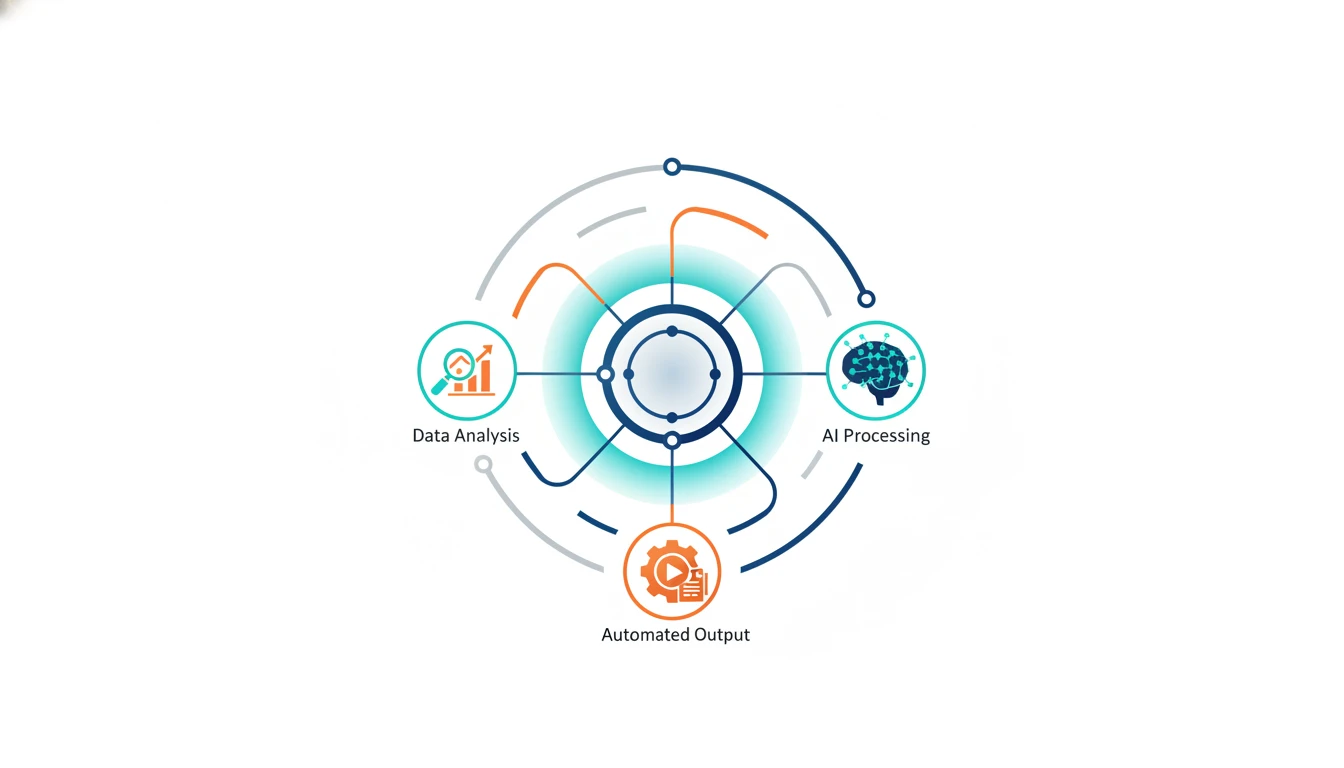
The future of SaaS SEO isn't about isolated tools, it's about integrated workflows that combine data, AI, and automation into a single, intelligent system. Here's how to build a 2026-ready playbook:
- Start with customer insights acquisition
- Develop content strategy based on AI insights
- Generate content using multi-model AI
- Optimize for generative engines
- Secure authority backlinks
- Automate ongoing optimization
This end-to-end workflow ensures that your SEO isn't just automated, it's adaptive, intelligent, and aligned with real customer needs.
Frequently Asked Questions
Conclusion: The Future of SaaS SEO is Automated, Intelligent, and Human-Centric
The era of manual, reactive SEO is over. In 2026 and beyond, success will belong to SaaS teams and agencies that embrace SaaS SEO automation as a strategic imperative, not just a cost-saving tactic. The integration of customer insights acquisition, AI competitor analysis, and multi-model content generation is no longer optional; it's the baseline for staying competitive.
Platforms like Citedy are redefining what's possible by unifying these capabilities into a single, intelligent workflow. From extracting real-time intent data on Reddit to securing high-authority Wikipedia citations, from optimizing for generative engines to ensuring content reliability with AI fallback systems, the future of SEO is automated, adaptive, and deeply insightful.
But technology alone isn't enough. The most successful teams will be those who use these tools to better understand their customers, create more valuable content, and build stronger brands. Automation frees up time, time that should be reinvested in strategy, creativity, and human connection.
If you're ready to move beyond fragmented tools and manual processes, it's time to adopt a smarter approach. Explore how Citedy's AI-powered platform can help you scale your SEO efforts, gain deeper customer insights, and future-proof your content strategy. The competition isn't waiting, and neither should you.