


SEO Automation: How Modern Teams Scale Productivity with AI
In today's fast-paced digital landscape, marketers and SaaS teams face a growing challenge: how to maintain high-quality SEO output without sacrificing time or resources. The answer lies in SEO automation, a strategic blend of technology and marketing intelligence that transforms repetitive tasks into streamlined workflows. For professionals focused on productivity and skill-development, understanding how to leverage automation is no longer optional, it's essential. This article explores what SEO automation truly means, how AI is reshaping optimization workflows, and why the 80/20 rule still holds power in modern SEO. You'll also learn how platforms like Citedy enable teams to automate competitor tracking, monitor AI-generated content visibility, and scale multi-tenant blogging operations efficiently.
What Is Automation in SEO?

Automation in SEO refers to the use of software and artificial intelligence to perform repetitive, data-heavy tasks without manual intervention. This includes keyword research, content gap analysis, on-page optimization, and performance tracking. Instead of spending hours compiling reports or auditing pages, marketers can deploy automated systems that deliver insights in real time. For instance, Citedy's AI-powered workflows allow teams to automatically detect when competitors gain visibility in generative engine results like ChatGPT, enabling proactive content adjustments. Research indicates that businesses using SEO automation tools reduce task completion time by up to 70%, freeing up capacity for strategic planning and creative development. This means that automation isn't about replacing human expertise, it's about enhancing it with scalable technology.
The 80/20 Rule in SEO: Focus Where It Matters
The 80/20 rule, or Pareto Principle, suggests that 80% of your SEO results come from 20% of your efforts. In practice, this means identifying high-impact pages, such as cornerstone content or top-converting blog posts, and optimizing them aggressively. Automation tools make this principle actionable by surfacing performance data quickly. For example, a SaaS company might discover through automated reporting that just five blog posts drive 80% of their organic leads. With this insight, they can prioritize updating those pieces, improving internal linking, and expanding related topics. Citedy supports this approach by offering AI-driven content gap detection, allowing teams to identify missing keywords and semantic opportunities around their best-performing assets. This targeted optimization not only improves rankings but also maximizes ROI on content investment.
Is SEO Still Worth It in the Age of AI?
Yes, SEO is more valuable than ever, but the approach has evolved. With the rise of AI overviews and generative search results, traditional keyword targeting alone is no longer sufficient. However, brands that adapt by integrating SEO automation into their strategy are seeing significant gains. Research shows that websites leveraging AI-powered SEO tools experience 2.3x faster ranking improvements compared to those relying on manual methods. The key is shifting from volume-based content creation to intelligence-driven optimization. For example, Citedy enables teams to track how often their content appears in AI-generated summaries, then automatically suggests enhancements to increase inclusion likelihood. This means SEO isn't dead, it's becoming smarter, more responsive, and deeply integrated with marketing technology stacks.
Can AI Do SEO Optimization?
AI can handle many aspects of SEO optimization, particularly those involving pattern recognition, data analysis, and content structuring. Today's advanced models can generate SEO-friendly outlines, optimize meta tags, and even rewrite content for better readability and keyword alignment. For instance, Citedy's AI engine analyzes top-ranking pages and reverse-engineers winning content structures, helping writers produce higher-performing articles faster. However, human oversight remains critical. AI excels at execution, but strategy, such as brand positioning and long-term content planning, requires human judgment. The most effective approach combines AI-powered automation with expert review, creating a hybrid workflow that boosts both productivity and quality.
Choosing the Right SEO Automation Tools

Not all SEO automation tools deliver equal value. The best solutions integrate seamlessly into existing marketing workflows, offer actionable insights, and support continuous learning. When evaluating tools, look for features like automated competitor tracking, AI-generated content briefs, and real-time performance alerts. Citedy stands out by offering multi-tenant blogging capabilities, making it ideal for agencies or SaaS platforms managing multiple client sites. For example, a digital marketing agency can use Citedy to automate content audits across 50+ client blogs, flag underperforming pages, and generate optimization recommendations, all from a single dashboard. This level of scalability transforms SEO from a siloed activity into a centralized, data-driven function.
Building Scalable SEO Workflows with Technology
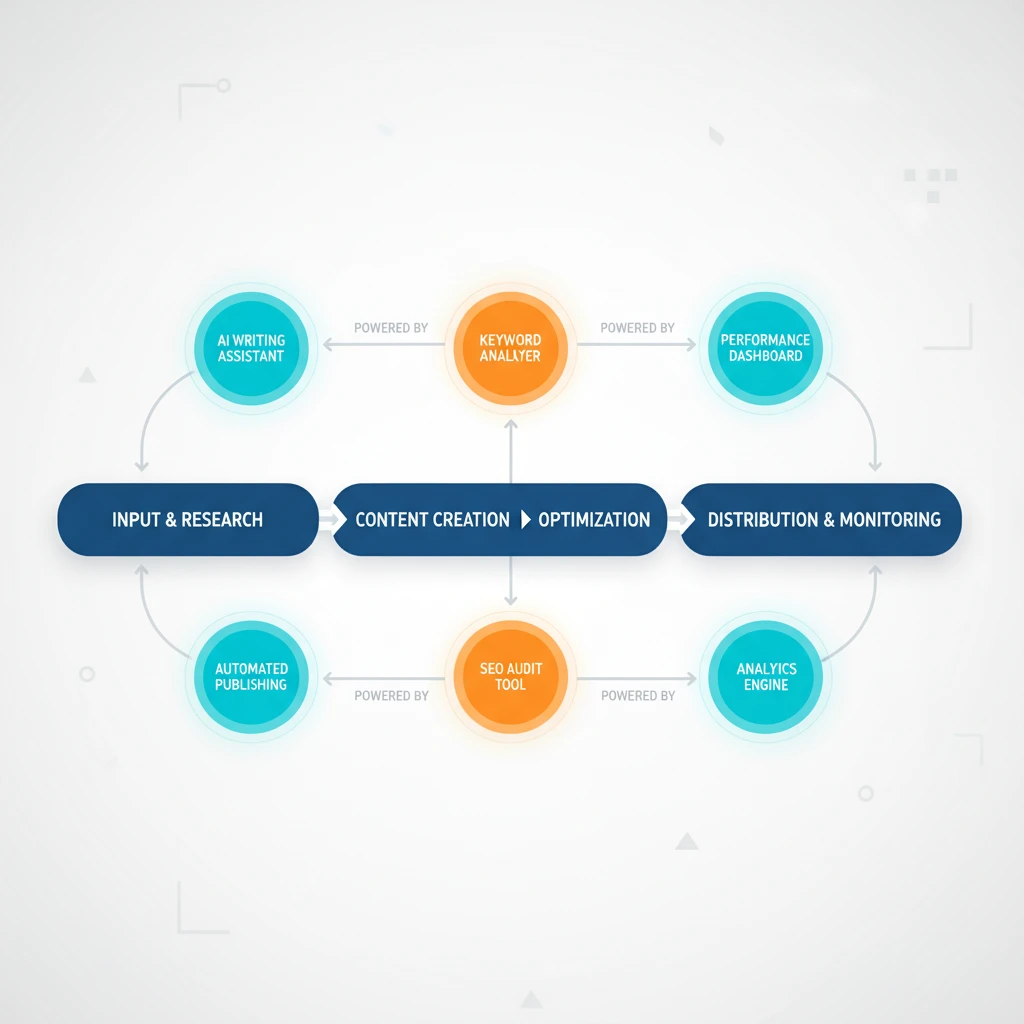
True productivity gains come from systematizing SEO efforts. A scalable workflow starts with defining repeatable processes, such as content ideation, creation, optimization, and performance review, then automating each step. Citedy supports this by enabling teams to set up triggers based on performance thresholds. For example, if a blog post drops in ranking for a target keyword, the system can automatically generate a revision task, assign it to a writer, and suggest updates based on current top-ranking content. This closed-loop process ensures SEO remains dynamic and responsive. Over time, teams also benefit from skill-development as they shift from manual execution to strategic oversight, deepening their expertise in AI-augmented marketing.
Frequently Asked Questions
Conclusion
SEO automation is transforming how modern marketing teams operate. By leveraging AI and intelligent workflows, professionals can move beyond manual, time-consuming tasks and focus on high-impact strategy. From applying the 80/20 rule to identifying content gaps and monitoring AI-generated search results, automation enhances both productivity and performance. As the digital landscape evolves, continuous learning and adoption of advanced tools will be key to staying competitive. Ready to scale your SEO efforts? Explore how Citedy's AI-powered platform can help you automate workflows, track visibility, and build smarter content strategies, start your journey today.