


In today's competitive digital landscape, many content creators and marketers struggle to convert passive visitors into engaged leads, despite investing heavily in high-quality landing pages. The missing link? Often, it's not the content itself, but how internal connections are structured to guide users toward conversion. Effective internal linking for conversions transforms static pages into dynamic pathways that drive action. This guide explores how to implement landing page internal linking using preset structures without over-optimizing, ensuring natural user journeys and improved performance. Readers will learn practical strategies, uncover common pitfalls, and discover how AI-powered tools on the Citedy platform can streamline implementation. From identifying content gaps to deploying smart link placements, this article outlines a clear roadmap for turning isolated pages into a cohesive, conversion-driven ecosystem.
Understanding Landing Page Internal Linking
Landing page internal linking refers to the strategic placement of hyperlinks within a dedicated landing page that direct users to other relevant pages within the same domain. Unlike broad site-wide linking, this approach focuses on guiding visitors toward specific conversion goals, such as signing up for a newsletter, downloading a resource, or making a purchase. The key lies in using preset link structures that align with user intent while avoiding the pitfalls of over-optimization, which can trigger search engine penalties or create a disjointed experience. For instance, a SaaS company promoting a free trial might embed contextual links to case studies, feature breakdowns, or Lead Magnets that offer additional value. This means that each link serves both the user's informational needs and the business's conversion objectives. Research indicates that strategically linked content can increase time-on-site by up to 40%, directly influencing conversion rates.
How Landing Page Linking Works
The mechanics of landing page linking hinge on relevance, context, and user journey mapping. When a visitor lands on a page, their next action should be intuitively guided by well-placed internal links. These links act as signposts, leading users from awareness to decision-making stages. For example, a visitor reading about AI-driven content tools might encounter a link to an in-depth comparison page or a demo signup, both of which are logical next steps. Citedy's AI Visibility tool helps identify high-intent pages that naturally support such link placements. This means that instead of randomly inserting links, marketers can use data-driven insights to determine where connections will have the highest impact. Consider the case of a blog post introducing a new AI writer feature; embedding a link to the AI Writer Agent page increases the likelihood of trial signups. The process works best when links are embedded naturally within the narrative, avoiding forced or excessive placements.
Best Practices for High-Converting Internal Links
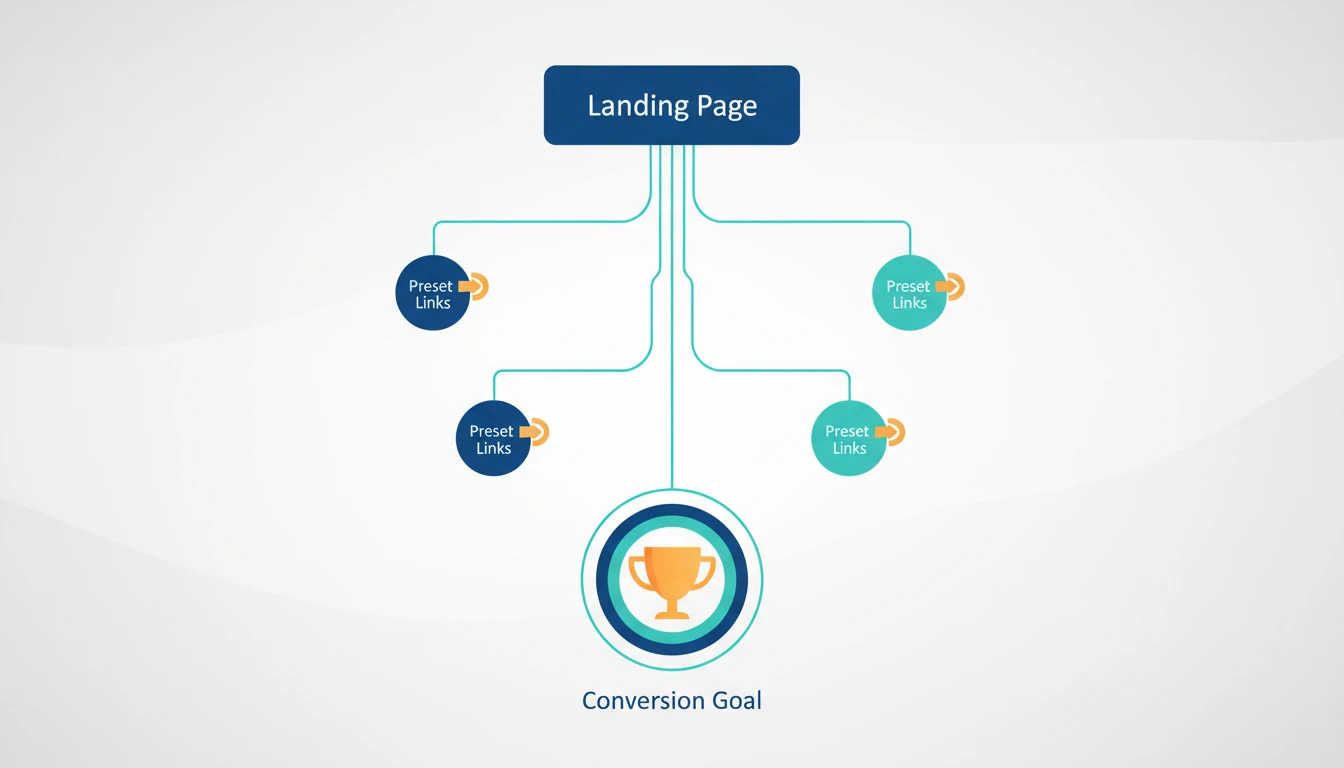
To maximize effectiveness, internal linking should follow a set of proven best practices. First, prioritize relevance, each link should lead to content that directly supports the user's current interest. Second, use descriptive anchor text that clearly indicates the destination. Vague phrases like "click here" should be replaced with specific descriptors such as "explore AI-powered blog automation." Third, limit the number of internal links per page to maintain focus; more than five can overwhelm users. Fourth, ensure mobile responsiveness, as a growing share of traffic comes from mobile devices. Finally, audit existing links regularly using tools like Content Gaps to identify underperforming or broken connections. Readers often ask whether automated linking is effective, when done correctly, yes. Citedy's Swarm Autopilot Writers can generate contextually appropriate internal links based on semantic analysis, reducing manual effort while maintaining quality.
Avoiding Over-Optimization and Common Mistakes

One of the most frequent missteps in internal linking is over-optimization, excessively stuffing pages with links in an attempt to boost SEO. This not only degrades user experience but can also trigger algorithmic penalties. Another common error is using identical anchor text repeatedly, which appears unnatural to search engines. A third issue is neglecting link equity distribution, where high-authority pages fail to pass value to conversion-critical pages. To avoid these pitfalls, marketers should adopt a balanced approach. For instance, a landing page promoting a new AI insights feature should include a mix of links: one to a technical overview, another to user testimonials, and a third to a lead magnet. Tools like Wiki Dead Links help identify outdated internal connections that may harm credibility. This means that regular maintenance is just as important as initial implementation.
Real-World Applications and Success Indicators
Success in internal linking is measurable through engagement metrics and conversion lift. Consider the case of a tech startup that used Citedy's X.com Intent Scout to identify trending topics and then linked their landing pages to related blog content. Over three months, they saw a 32% increase in form submissions. Similarly, another brand leveraged Reddit Intent Scout to discover common user questions and embedded contextual links to FAQ pages, reducing bounce rate by 27%. These examples demonstrate that data-informed linking strategies yield tangible results. Key indicators of success include increased page dwell time, higher click-through rates on internal links, and improved conversion funnel progression. Monitoring these metrics through Citedy's analytics dashboard allows for continuous refinement.
Getting Started with Strategic Internal Linking
Initiating a structured internal linking strategy begins with an audit of existing content. Marketers should map out their most important conversion pages and identify supporting content that can be linked. Next, they should define user journey paths, what steps should a visitor take from initial engagement to conversion? Using Citedy's AI Writer Agent, teams can generate content with built-in linking suggestions. They can also use Content Gaps to discover opportunities where new links could enhance relevance. A practical exercise is to review one landing page per week, optimizing its internal links based on performance data. This iterative approach ensures steady improvement without overwhelming resources.
Frequently Asked Questions
Conclusion
Strategic landing page internal linking is a powerful yet often underutilized tactic for boosting conversions. By focusing on relevance, user intent, and data-driven placement, marketers can transform static pages into dynamic conversion engines. The key is to avoid over-optimization while maintaining a natural, value-driven linking structure. Citedy's suite of AI-powered tools, including AI Writer Agent, Content Gaps, and AI Visibility, provides the insights and automation needed to implement and scale these strategies effectively. The next step is clear: audit one high-traffic landing page, apply the principles outlined here, and measure the impact. With consistent refinement, internal linking can become a cornerstone of sustainable growth.