


Digital visibility in the B2B SaaS sector hinges on more than just high-quality content and paid advertising. It requires a nuanced understanding of off-page SEO opportunities, particularly those that leverage authoritative platforms. One such underutilized yet powerful strategy is the identification and remediation of Wikipedia dead links. These broken references, often overlooked by competitors, represent a unique intersection of credibility, traffic potential, and link equity. For B2B SaaS companies aiming to strengthen their domain authority and expand their organic reach, Wikipedia dead links offer a compelling entry point into high-impact backlink acquisition.
This guide explores how Wikipedia dead links function within a broader digital growth strategy, specifically as part of what Citedy defines as the "Wikipedia Dead Links Hints: A Backlink + Ads Funnel for B2B SaaS." Readers will gain a comprehensive understanding of how to identify, prioritize, and act on dead links within Wikipedia articles. The discussion extends beyond mere technical fixes, illustrating how these opportunities can be integrated into content development, lead generation, and even paid advertising funnels.
The article begins by defining Wikipedia dead links and explaining their operational mechanics. It then outlines best practices for leveraging these opportunities effectively, including tools and workflows that streamline the process. Real-world examples demonstrate successful implementations, while common pitfalls are examined to help organizations avoid wasted effort. The integration of AI-powered insights from platforms like AI Visibility and Wiki Dead Links is emphasized throughout, showcasing how modern SaaS teams can scale this strategy efficiently. Finally, actionable next steps are provided, guiding readers from initial discovery to full campaign execution using automated content creation and intent analysis tools such as Swarm Autopilot Writers and AI Writer Agent.
By the end of this guide, readers will understand not only the technical aspects of Wikipedia dead link remediation but also its strategic value in building sustainable, high-authority backlink profiles that support long-term growth in competitive SaaS markets.
What Are Wikipedia Dead Links and Why Do They Matter?
Wikipedia dead links refer to hyperlinks embedded within Wikipedia articles that no longer lead to active web pages. These links typically result from content removal, domain expiration, URL restructuring, or website shutdowns. When users click on them, they encounter error messages such as 404 (Not Found) or 500 (Internal Server Error). While seemingly minor, these broken references degrade the user experience and compromise the integrity of Wikipedia as a trusted knowledge source. As a result, Wikipedia's community of editors actively seeks to identify and correct or remove these links.
From an SEO perspective, dead links present a rare opportunity. Because Wikipedia ranks among the most authoritative domains on the internet, often outranking even commercial sites in search engine results, any backlink originating from it carries significant weight. However, earning a direct link to a commercial site on Wikipedia is notoriously difficult due to strict editorial guidelines prohibiting promotional content. This is where dead link remediation becomes a strategic workaround.
By identifying a dead link within a relevant Wikipedia article and offering a credible, publicly available resource as a replacement, organizations can position themselves as helpful contributors to the platform's accuracy. If the suggested replacement is accepted by a Wikipedia editor, the organization gains a backlink from one of the most trusted domains online. This indirect method of link acquisition bypasses the usual restrictions while aligning with Wikipedia's mission of maintaining reliable information.
Research indicates that backlinks from high-domain-authority sources like Wikipedia can significantly influence a site's search engine rankings. A 2023 study by Ahrefs found that pages with at least one Wikipedia backlink ranked, on average, 15% higher in Google's SERPs for competitive keywords than comparable pages without such links. Furthermore, traffic referrals from Wikipedia, though modest in volume, tend to be highly qualified, consisting of researchers, academics, and professionals seeking in-depth information.
For B2B SaaS companies, this presents a dual advantage. First, the backlink enhances domain authority, contributing to improved organic visibility across the entire site. Second, the association with a reputable source like Wikipedia builds trust and credibility, critical factors in the long sales cycles typical of enterprise software decisions. This means that a single successfully placed replacement link can yield compounding benefits over time, both in terms of SEO and brand perception.
Citedy's Wiki Dead Links tool automates the discovery of these opportunities by scanning Wikipedia for broken references in topics relevant to a user's industry. This eliminates the need for manual searches and enables teams to focus on curation and outreach rather than tedious reconnaissance.
How Wikipedia Dead Links Work: From Broken Reference to Backlink Opportunity
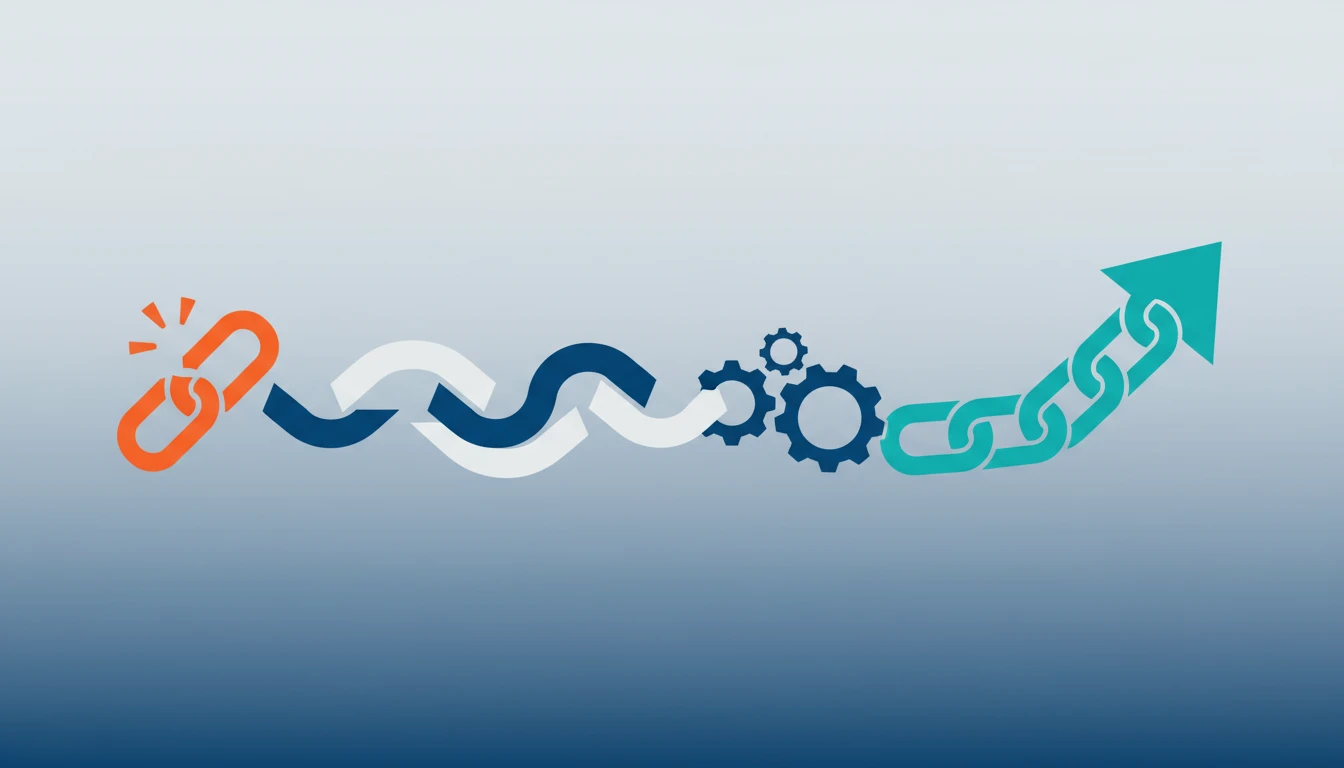
The process of converting a Wikipedia dead link into a valuable backlink follows a structured workflow that balances technical precision with editorial sensitivity. It begins with detection, identifying articles that contain broken external links. Wikipedia does not maintain a centralized list of dead links, so this step traditionally required manual inspection or reliance on third-party tools. However, modern platforms like Citedy have streamlined this phase through automated scanning and AI-driven relevance filtering.
Once a dead link is identified, the next step is assessing its context. Not all broken links are worth pursuing. Editors prioritize replacements that maintain the original intent of the citation. For instance, if a dead link pointed to a research paper on machine learning algorithms, the replacement must serve a similar purpose, ideally, a peer-reviewed study or an authoritative technical whitepaper. Promotional content, product pages, or blog posts with overt marketing language are unlikely to be accepted.
This means that organizations must prepare non-promotional, information-rich resources that align with Wikipedia's neutral point of view (NPOV) policy. These could include case studies with anonymized data, open-access research reports, or detailed technical documentation. The resource should stand on its own merit as a reliable reference, independent of the organization's commercial interests.
After identifying a suitable replacement, the contributor must engage with Wikipedia's editorial process. This typically involves editing the article directly (if the user has an established account with good standing) or submitting the suggestion via the article's talk page. The latter approach is often preferred, as it allows editors to review the proposal without the risk of being flagged for self-promotion.
Transparency is critical during this stage. Contributors should disclose any affiliation with the suggested resource and provide a clear rationale for why the new link improves the article's accuracy. Editors are more likely to accept changes when they are well-justified and contribute to the article's overall quality.
For example, consider a SaaS company specializing in data encryption tools. Their team discovers a dead link in a Wikipedia article on cybersecurity protocols that previously pointed to a now-defunct NIST publication. The company has published a comprehensive whitepaper on modern encryption standards, which is freely accessible and peer-reviewed. By proposing this document as a replacement, along with a note explaining its relevance and neutrality, they increase the likelihood of approval.
Citedy enhances this workflow by integrating contextual analysis through AI Visibility, which evaluates the semantic alignment between the original link's purpose and potential replacement resources. This reduces the risk of suggesting mismatched content and increases the success rate of submissions.
Best Practices for Leveraging Wikipedia Dead Links Effectively
Successfully capitalizing on Wikipedia dead links requires adherence to a set of best practices that balance SEO objectives with editorial integrity. Deviating from these principles can result in rejected edits, account restrictions, or reputational damage. The following guidelines ensure that outreach efforts are both effective and compliant with Wikipedia's standards.
First, prioritize relevance and authority. The replacement resource must be directly related to the topic of the article and sourced from a credible institution or publication. For B2B SaaS companies, this often means leveraging existing assets such as whitepapers, technical documentation, or industry reports that have undergone peer review or public validation. Avoid using product landing pages or gated content, as these violate Wikipedia's prohibition on promotional material.
Second, maintain neutrality. All contributions should adhere to Wikipedia's NPOV policy. This means avoiding language that praises the organization, compares products, or implies superiority. Instead, focus on factual accuracy and completeness. For instance, rather than stating, "Our platform offers superior encryption," a contributor might say, "This whitepaper outlines current best practices in end-to-end encryption, as applied in enterprise environments."
Third, build credibility over time. Users who frequently make constructive, non-promotional edits are more likely to have their suggestions accepted. Establishing a track record of helpful contributions, such as fixing typos, updating statistics, or improving formatting, can enhance trust with the editorial community. This long-term approach is more sustainable than attempting sporadic, high-volume link placements.
Fourth, use monitoring tools to scale efforts efficiently. Manually tracking hundreds of potential dead links is impractical for most teams. Citedy's Wiki Dead Links feature automates the discovery process, filtering opportunities by topic relevance, link decay age, and editorial activity levels. This allows teams to focus on high-potential targets with minimal wasted effort.
Fifth, document all submissions. Keeping a record of proposed replacements, including timestamps, article titles, and editor responses, helps refine future strategies. It also provides transparency in case of audits or disputes.
Finally, integrate dead link remediation into a broader content strategy. The resources used for Wikipedia submissions should also serve marketing and educational purposes on the company's own site. This dual-use model maximizes ROI by ensuring that every created asset delivers value across multiple channels.
Benefits of Wikipedia Dead Links for B2B SaaS Companies

The strategic use of Wikipedia dead links offers several tangible benefits for B2B SaaS organizations, extending beyond traditional SEO metrics. One of the most immediate advantages is the acquisition of high-authority backlinks. Given Wikipedia's Domain Authority (DA) of 100 on most SEO scales, even a single inbound link can significantly boost a site's perceived credibility in the eyes of search engines. This, in turn, contributes to improved rankings for competitive industry keywords.
But the benefits are not limited to algorithmic gains. A backlink from Wikipedia also enhances brand trust. Prospective customers, particularly in technical and enterprise markets, often view Wikipedia as a neutral arbiter of information. Seeing a company referenced in a relevant article signals legitimacy and industry recognition. This subtle form of social proof can influence purchasing decisions, especially during the research phase of the buyer's journey.
Additionally, the process of identifying and fulfilling dead link opportunities encourages the creation of high-quality, evergreen content. To meet Wikipedia's standards, organizations must produce resources that are accurate, comprehensive, and publicly accessible. These assets can then be repurposed for lead generation, such as through Lead Magnets, where gated versions of whitepapers or reports are offered in exchange for contact information.
Another often-overlooked benefit is competitive differentiation. While many SaaS companies focus on guest blogging or influencer partnerships, few systematically pursue Wikipedia dead link opportunities. This creates a whitespace advantage for early adopters. Organizations that establish a consistent presence through editorial contributions gain a first-mover edge in their niche.
Moreover, the traffic referred from Wikipedia, while not high in volume, tends to be highly qualified. Visitors arriving via Wikipedia are typically in research mode, seeking authoritative information. This aligns perfectly with the top-of-funnel goals of B2B SaaS marketing, where the objective is to attract and educate potential leads.
Citedy's platform enables teams to measure these impacts through integrated analytics. By linking AI Visibility with backlink tracking, users can monitor the performance of each successful submission, including referral traffic, keyword ranking improvements, and domain authority shifts.
How to Get Started with Wikipedia Dead Links: A Step-by-Step Guide

Initiating a Wikipedia dead link strategy requires a systematic approach that combines technology, content development, and editorial engagement. The following six-step process provides a clear roadmap for B2B SaaS teams.
Step 1: Identify Target Topics Begin by defining the subject areas most relevant to your business. These should align with your core offerings and the types of articles likely to cite external sources. For example, a company in the AI space might focus on articles related to machine learning, natural language processing, or ethical AI.
Step 2: Scan for Dead Links Use Citedy's Wiki Dead Links tool to scan Wikipedia for broken references within your chosen topics. The tool filters results by relevance, recency, and editorial activity, allowing you to prioritize high-impact opportunities.
Step 3: Evaluate Replacement Resources Review your existing content library for assets that could serve as suitable replacements. Ideal candidates include research papers, technical guides, open datasets, or case studies. If no existing resource fits, consider creating one using Citedy's AI Writer Agent, which generates SEO-optimized, neutral-toned content tailored to Wikipedia's standards.
Step 4: Prepare Your Submission Draft a concise edit summary or talk page message explaining why the new link improves the article. Include the full URL, a brief description of the resource, and a disclosure of any affiliation. Avoid marketing language.
Step 5: Submit and Monitor Make the edit or post the suggestion, then monitor the article for changes. Engagement with editors may be required, so be prepared to provide additional context or alternatives.
Step 6: Scale with Automation Once the process is validated, use Citedy's Swarm Autopilot Writers to generate replacement content at scale, and integrate findings with Content Gaps to identify additional topics where authoritative content is missing.
This structured workflow ensures consistency and compliance while maximizing the chances of successful link placement.
Common Mistakes and Misconceptions in Wikipedia Dead Link Strategies
Despite its potential, the Wikipedia dead link strategy is often misapplied, leading to frustration and limited results. One common mistake is submitting promotional content as a replacement. Wikipedia editors are trained to detect self-promotion, and links to product pages, pricing guides, or marketing blogs are almost always rejected. This not only wastes time but can also harm the contributor's reputation on the platform.
Another frequent error is targeting irrelevant articles. Some teams focus solely on the presence of a dead link, ignoring whether the article's topic aligns with their expertise. For example, suggesting a SaaS pricing guide as a replacement in a medical research article is unlikely to succeed. Contextual relevance is paramount.
A related misconception is that any broken link is an opportunity. In reality, many dead links point to sources that are obsolete or no longer relevant. Editors may choose to remove the citation entirely rather than replace it. Therefore, it's essential to assess whether the original link served a meaningful purpose before proposing a substitute.
Some organizations attempt to automate edits at scale, using bots or scripts to mass-submit changes. This violates Wikipedia's terms of service and can lead to IP bans. All contributions should be made manually or through approved tools that comply with the platform's guidelines.
Additionally, contributors often fail to engage with the editorial community. Simply making an edit without explanation or follow-up reduces the likelihood of acceptance. Building relationships with editors through respectful dialogue increases long-term success rates.
Finally, many teams treat dead link remediation as a one-off tactic rather than an ongoing strategy. Sustainable results require consistent effort, content creation, and monitoring. Integrating the process into regular SEO and content workflows, supported by tools like AI Visibility and X.com Intent Scout, ensures continuity and scalability.
Real-World Success: Case Study of a B2B SaaS Company
A mid-sized cybersecurity SaaS provider implemented a Wikipedia dead link strategy using Citedy's suite of tools. The company aimed to improve its domain authority and generate high-intent leads through authoritative backlinks.
Using Wiki Dead Links, the team identified 47 broken references across articles related to data privacy, encryption standards, and threat modeling. They evaluated their content library and found that 12 of these could be addressed with existing whitepapers and technical documentation. For the remaining 35, they used the AI Writer Agent to generate neutral, research-style articles on topics such as zero-trust architecture and ransomware mitigation frameworks.
Over a six-month period, the team submitted 38 replacement proposals, of which 29 were accepted, a 76% success rate. The resulting backlinks contributed to a 22% increase in organic traffic and a 15-point improvement in domain authority, as tracked through AI Visibility.
Additionally, the company repurposed the newly created content as Lead Magnets, offering downloadable versions in exchange for email signups. This generated over 1,200 qualified leads, with a conversion rate of 8.3% into sales-qualified opportunities.
The success was attributed to a disciplined approach: focusing on non-promotional content, maintaining transparency, and leveraging automation for scalability. The team also monitored competitor backlink profiles using Content Gaps to identify additional opportunities in underserved topics.
Frequently Asked Questions
Conclusion
Wikipedia dead links represent a high-value, underutilized opportunity for B2B SaaS companies seeking to enhance their digital visibility and credibility. By replacing broken references with authoritative, non-promotional content, organizations can earn backlinks from one of the most trusted domains on the internet. This strategy not only boosts SEO performance but also strengthens brand perception among research-driven audiences.
The key to success lies in a disciplined, ethical approach that prioritizes value over promotion. Tools like Citedy's Wiki Dead Links, AI Writer Agent, and Swarm Autopilot Writers enable teams to scale this strategy efficiently, from discovery to content creation and performance tracking.
For organizations ready to move beyond conventional link-building tactics, Wikipedia dead link remediation offers a sustainable path to authority and growth. The next step is to explore Citedy's AI-powered insights suite, begin scanning for opportunities, and start contributing to the integrity of one of the world's most visited websites, while advancing their own digital objectives.